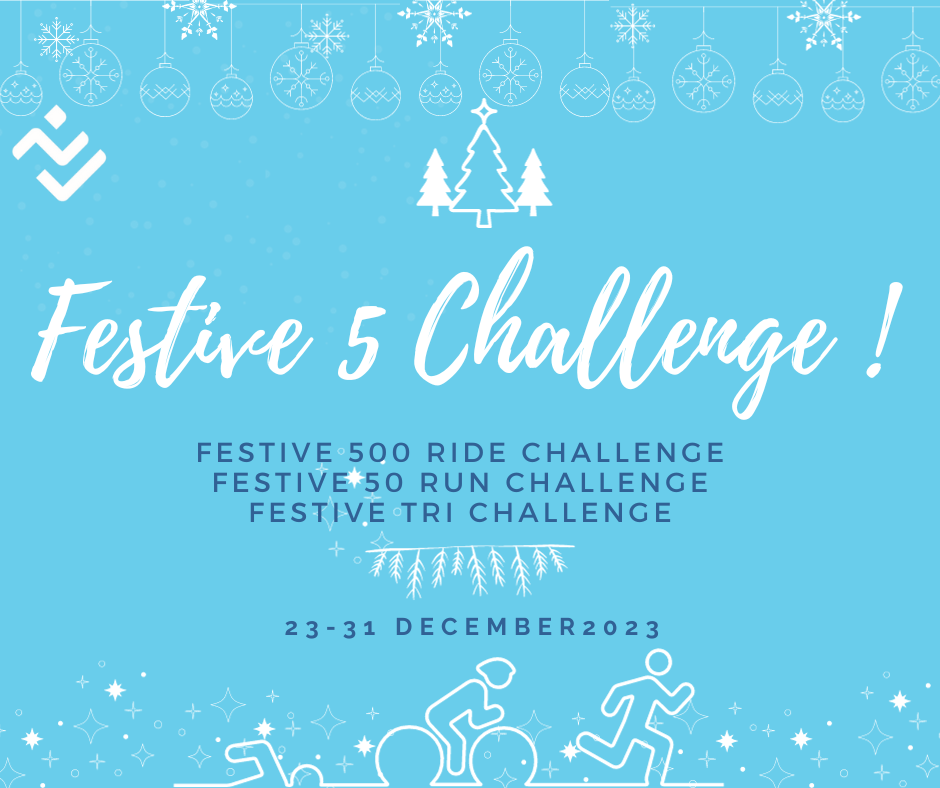
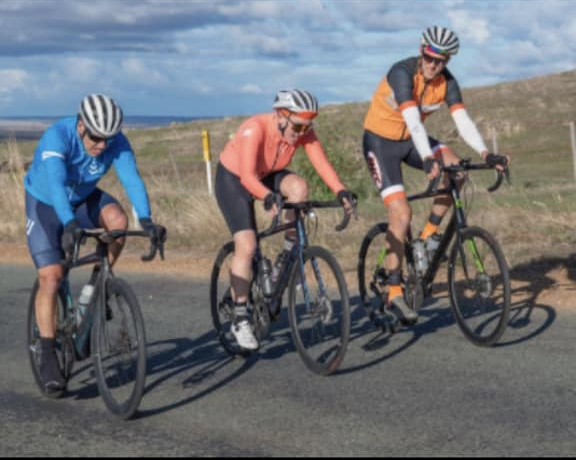
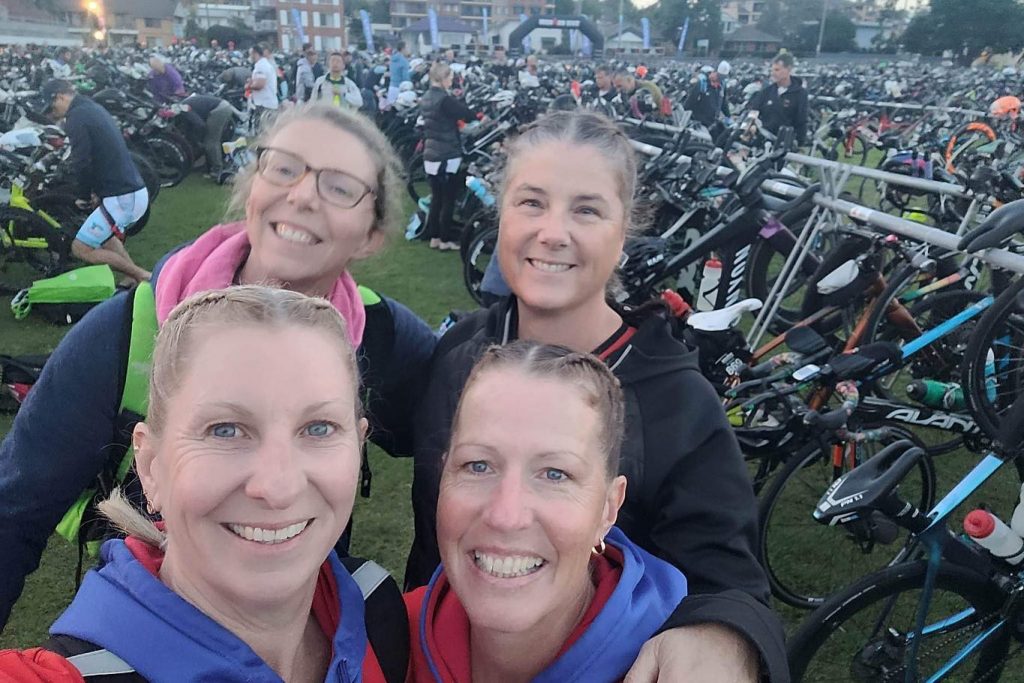
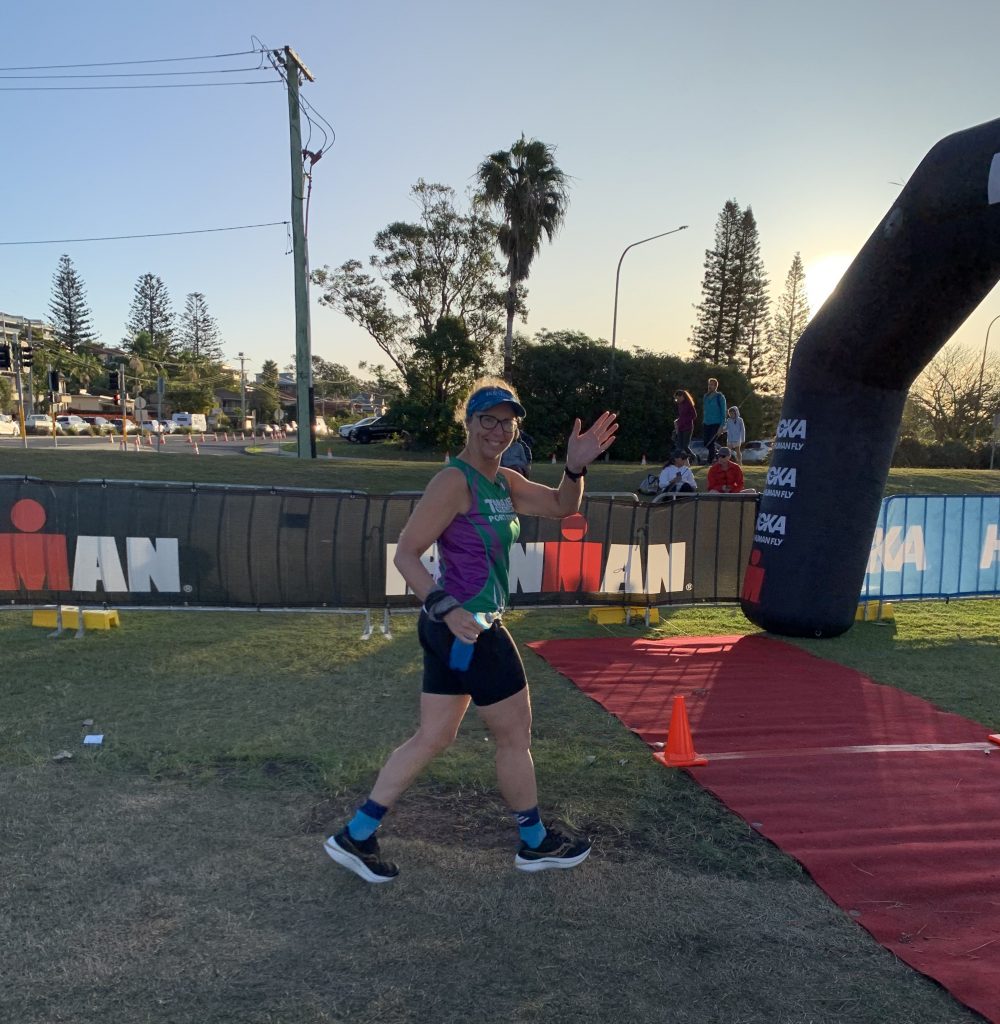
The final wrap up to our 2023 build / season / year is the return of our Festive 5 Challenge!! A take on the well known ‘Rapha Festive 500’, but ours with a twist to ensure everyone can gain the most from the challenge, and make it applicable to you and your goals. Ultimately the purpose behind the challenge is to add a little focus and a training spike over the Xmas / New Year period when many tend to have time off work / extra time to train. Nothing like a challenge to keep (or even increase!) your consistency and compliance over the festive season!
THE INSIDE DETAILS:
Commences: Xmas Eve (eve!) – Saturday 23 December. An extra day this year thanks to the weekend…. ;-p Concludes: New Years Eve – Saturday 31st December (9 days inclusive) The Challenge: Complete YOUR challenge over the duration of the 9 festive days, as you see fit. Indoors or out. Pool or Open Water. On or off-road. You choose!
Here are some challenge options you could take on:
FESTIVE 500 RIDE CHALLENGE The Ultimate: Ride 500km over the 9 days. The Consistent: Ride 50km a day on 5 or more days The Half: Ride 250km over the 9 days The Conservative: Ride 50min/day over 5 or more days
FESTIVE 50 RUN CHALLENGE The Ultimate: Run/walk 50km over the 9 days The Consistent: Run/walk 5km/or 50min /day on 5 or more days The Half: Run/walk 25km over the 9 days
FESTIVE TRI CHALLENGE Swim/ride/run your way over the 9 days: The Ultimate: 500km riding, 50km running, 5km (or more) swimming over the 9 days The Consistent: 50km riding, 5km running, 500m swimming / day on 5 or more days The Half: 250km riding, 25km running, 2.5km (or more) swimming over the 9 days The Conservative: 50min riding, 50min of run/walk, 50min swimming on 5 or more days
Or any other alternative that works for you! (and why not make up a name and share with us?!)
Follow along: More details will be shared over the coming days and we’ll get the chatter started! FACEBOOK: All details, info, chatter and more will be shared in our FB group here STRAVA: If you are on strava, why not follow us online here
CONFIRM: If you are joining in, and what challenge you are up for, as I will program accordingly and provide some guidance on how to tackle the challenge based on your goals.
I had mentioned recently to my athletes that it was 10 years since I raced in Kona. My Ironman World Champs experience was in 2013 – the year that Mirinda Carfrae won her second Ironman World Championship Title and had the 3rd fastest run split of the day – including the pro men. Simply incredible! She then went on to win and break her own run course record again the following year in 2014. And only now, have we just witnessed a new run course record thanks to Anne Haug with a 2:48.23 in 2023!
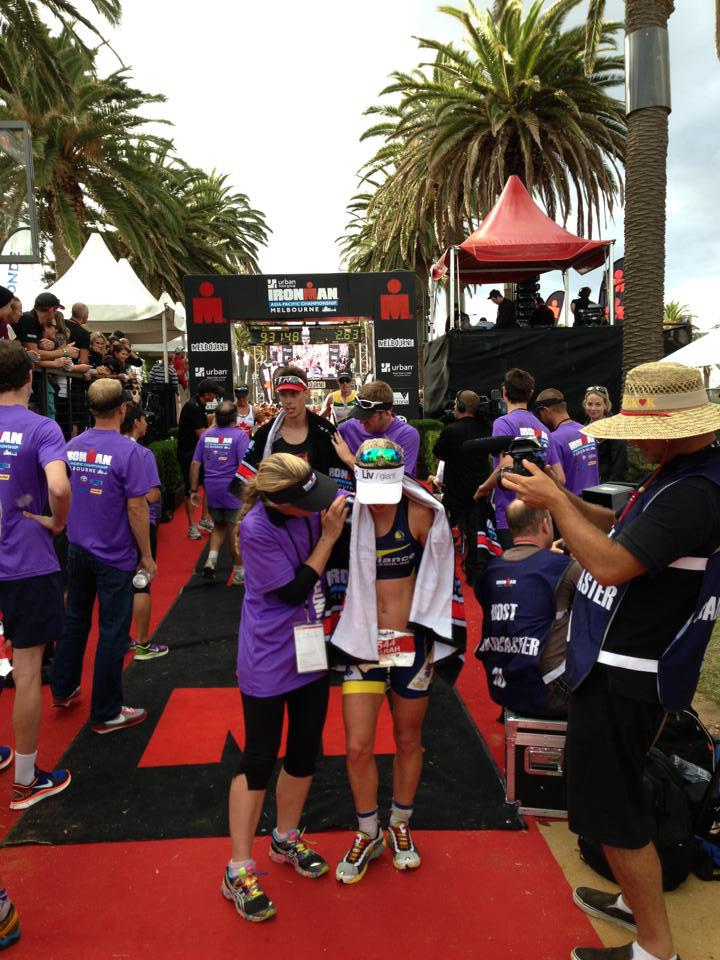
I could have sworn I did a race report / recap after my Kona race – and I thought I found it, but it was actually a recount of my first Ironman – Ironman Melbourne in 2013 when I qualified for Kona in a time of 9:23 (year the swim was shortened). Read about that race experience and how I qualified here.
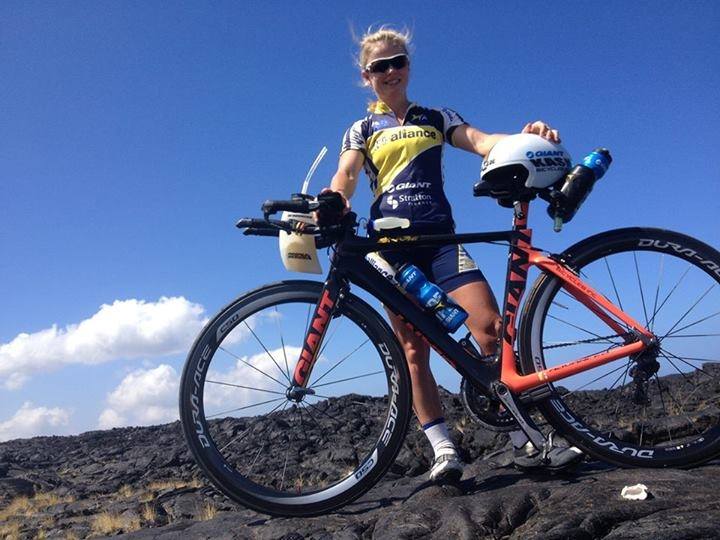
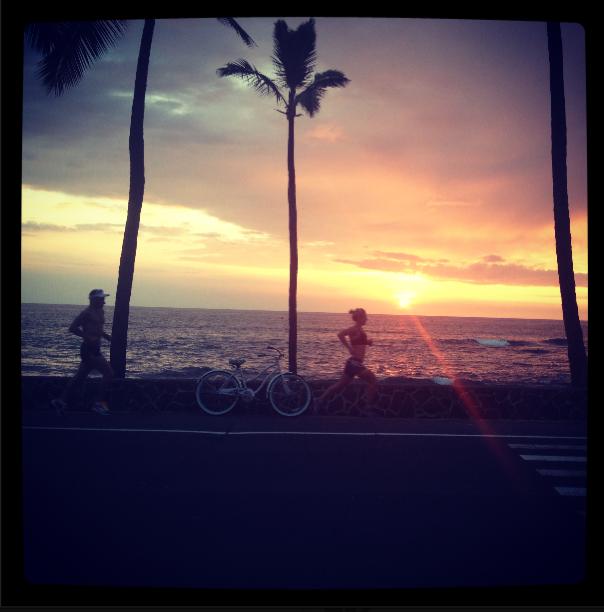
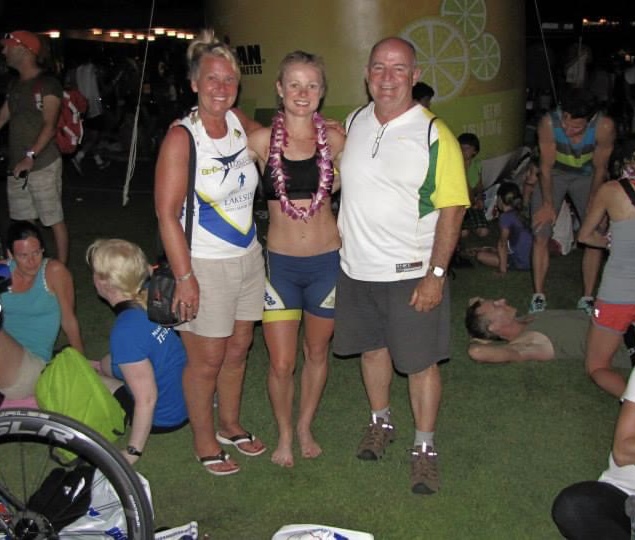
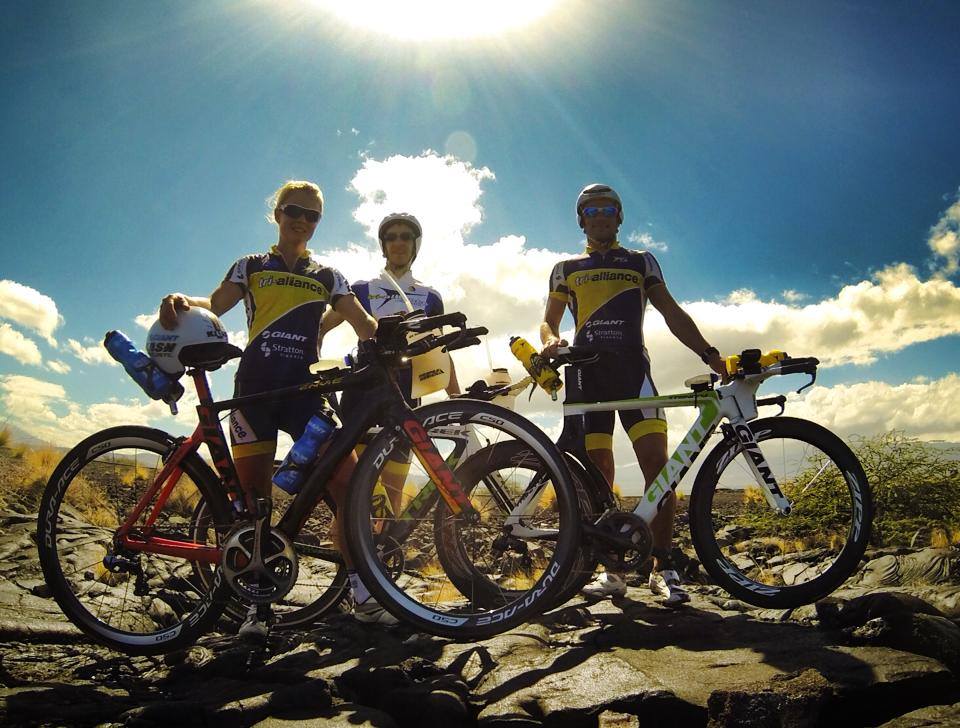
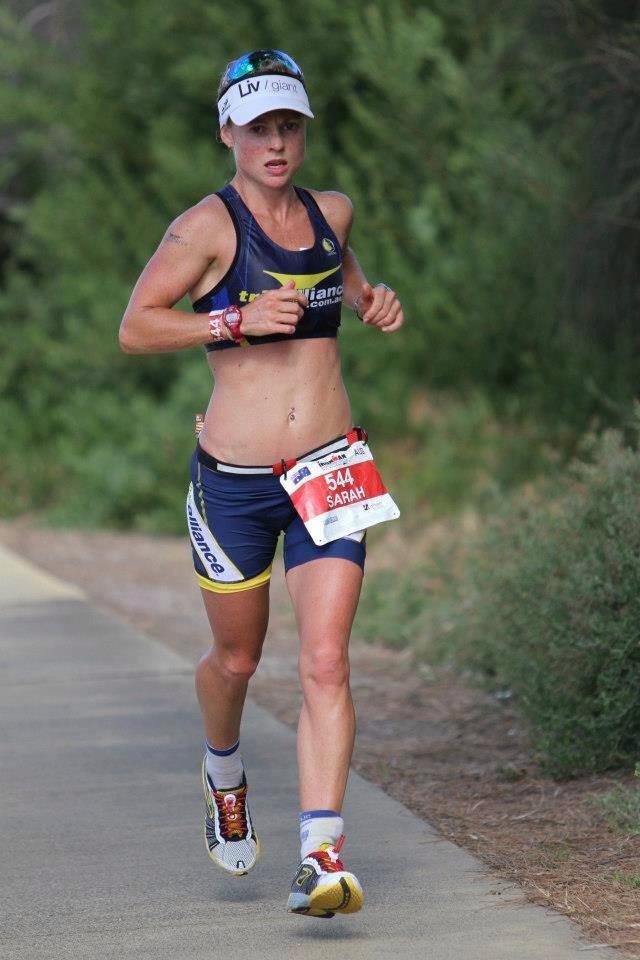
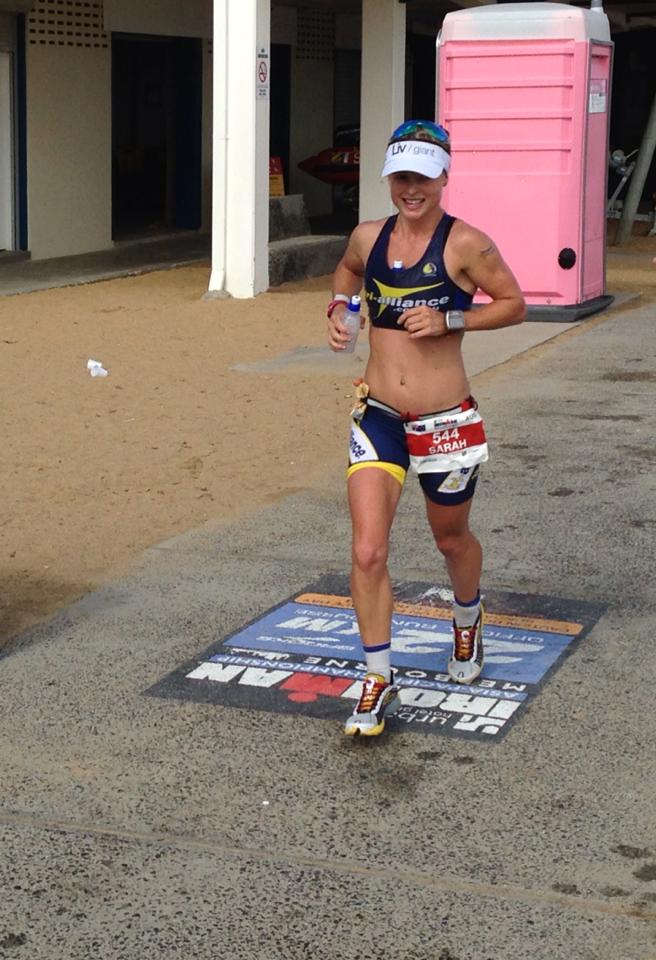
So I don’t have my recap to share with you, however I did find some of my pics and what I can say is, what an awesome experience it was. And I got to share that experience with my parents – something they still remember fondly. As well as long time friend and athlete Narelle Crooks who was on the sidelines supporting, along with her hubby Nathan who was racing and fellow training buddy Brett. Brett, Nathan and I spent countless hours together training. So many long rides and long runs together, hundreds of laps in the pool, open water swims, trainer sessions, interval runs around the tana and along the beach…. Brett and I even travelled to Port Douglas in the lead up to Kona for a Half Distance race – trying to acclimatise for the heat before we arrived.
But honestly, nothing can really prepare you for the heat and humidity. It truly is a HOT and brutal the race is. But how spectacular and magical the Island is. I get why athletes all over the world still want to compete at this race. It’s not about becoming one of the best in the world in your age group, it is the experience. Living and breathing Ironman the week leading into the race, swimming in the crystal blue waters amongst tropical fish, turtles and dolphins, riding along the Queen K and through the lava fields, running along Ali’i’ Drive, up Palani and through the Energy Lab. And that finish line line. Simply incredible! The visuals from race broadcasts are exactly that. But being there, experiencing it, putting your body through it, truly is something else. And in that moment, the result matters little. Especially for those going there for the first time….
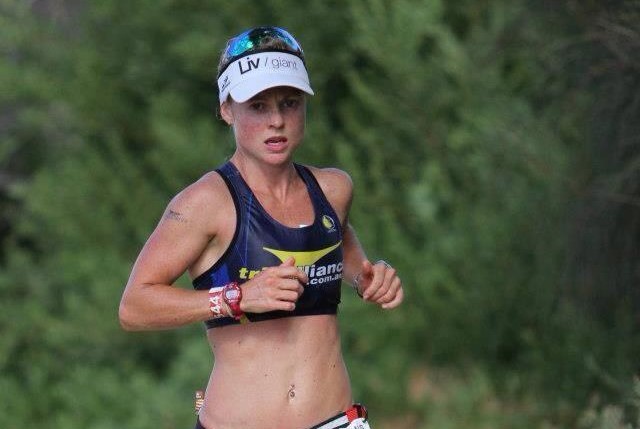
My Kona result? Swim 1:11.38 Bike: 5:34.14 Run: 3:45.22 Overall: 10:39.53
For anyone who has the dream of racing the World Champs, talk to me. It truly is an incredible experience and something that is possible with the right training, hard work and race planning… I previously wrote an blog on how to qualify for the Ironman World Championships. So take a read if you want to find out more on how and what it takes to qualify for this magnificent race…
‘Pain is temporary, but memories will last forever ‘ The prefect quote in what was to be my first (and what I had planned as my last) Ironman race.
Ironman for me was more than completing a 3.8km swim, 180km ride and 42.2km marathon. It was setting myself a goal and doing everything in my power to reach it.
It was about the choices, decisions, sacrifices, hard yards and discipline. It was the early mornings and late nights. It was down right hard work.
It was choosing training over birthdays and catch ups. It was lost weekends, friends and relationships. It was missing the world while I was preoccupied in my own.
They were the biggest sacrifices, but also the biggest motivators. And that’s why I pushed through what seemed like the impossible to others on Sunday, to get me not only to the finish line, but onto the Ironman podium and ultimately Kona. The pinnacle of this sport called triathlon.
Ironman is not just about physical toughness, it’s about mental toughness. The ability to put your body in a place it does not want to go and somehow over ride the pain.
THE DECISION My triathlon journey started 6 years ago due to a running injury – the first of 3 stress fractures I would suffer in as many years. I was young and naive – thinking i knew more than the Coach. How little I knew back then. And little did I know, that as I lined up for my first Gatorade Triathlon in March 2008 – coming near last out of the water, and finishing mid-field, that five years later I would be taking on my first Ironman and Marathon all rolled into one. From a Coaches point of view, I had planned to use this Ironman race to experience from an athletes perspective what it took to train and race an Ironman, but in the end it became much more than that….
THE LEAD IN Could not have gone any better. I’d done all the work, rarely missed a session, prepared my life around this one day. All to see how hard and how fast I could go over 226kms. I’d followed my program to a tee. I didn’t go above what was asked, just doing what had to be done and I could see the progression over the months as distances got longer, times faster and recovery easier. Everything was heading in the right direction and my confidence grew knowing what I was capable of ‘IF all went to plan’. I’ve watched many Ironman’s over the years and I have witnessed first hand that things can and do go wrong on race day. I had many training partners during the lead in but non better than Brett Archbold. We spent countless hours on the bike, I’d have sh^t days when he’d have good ones and vice versa. But we both kept at it knowing what we were both capable of. And best of all we will now have another winter of training together leading into Kona!
PRE RACE I waited all week for the nerves to kick-in. I waited patiently, ready to tackle them when they arrived. But even as we stood in the water at the swim start waiting for the gun to go off they were no where to be seen. I could feel the nervous energy around me as the morning unfolded, but I simply thrived on it. I could only put this down to knowing I had done the hard work, knowing what I had to do and most importantly believing that I could do it – so what did I have to be nervous of? Nothing. Lets do it! A BIG thanks to Dane Barclay from The performance and Sports Psychology Clinic who helped prepare my mind for what I was going to put my body through. Game on.
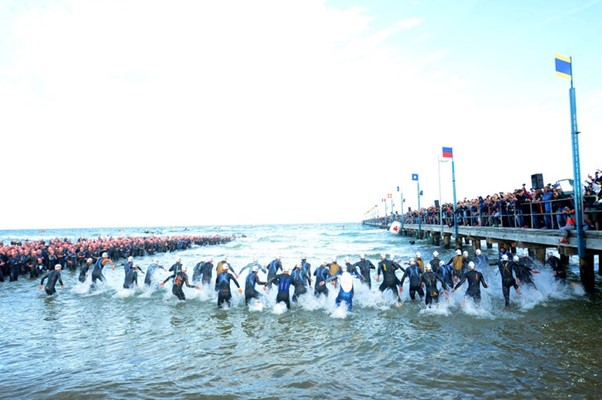
THE SWIM The morning of the race, and race organisers made the tough decision to cut the swim course short due to the conditions in the bay. So the swim was cut in half and shortened from 3.8km to 1.9km (or was it 1.5km?). There has been much talk around whether this was the right decision. And emotions and thoughts from athletes have also been divided. But for me, I didn’t waste any energy on ‘should it or shouldn’t it’ – instead I refocused on my race and slightly changed my race tactics. ‘Control the controllable’….
At the swim start, I lined up beside fellow Tri Alliance athlete Nathan – a plan we had leading into the race. We’d swam together in the pool and open water most of the prep and we were going to pace off each other (to a degree) in the swim leg. But within 100m, that plan was out the window, it was ON and I quickly lost sight of him. ‘Have a good race Nath’ I thought to myself as I focused on tacking on the waves and swell ahead of me. The swim was brutal – more so from the other athletes than the conditions. It was like everyone was fighting for survival and literally the fittest and strongest survived! There was no thought or care for another’s safety. If you were in the way, you were going down! The swell at the back of Frankston pier was the worst conditions I have swum in – but I was loving it. This is my kind of swim! Heading out past the Pier I couldn’t sight the turn around buoys. The swell was huge, swimmers everywhere. As we got closer I could see I was heading straight for the buoy – normally that’s what I’d want, but for this course and these conditions I decided I wanted to stay slightly wide so I didn’t get shoved around too much. So unfortunately for those around me I made a slight detour to swim wider and in the process swam over other swimmers. (sorry!) Turning the buoy and heading back to the beach was fun. It was rough but the swell pushed you in and made for a fast swim back to the swim exit. Athletes were strewn 300m wide though as the current pushed people down beach. But many athletes made the decision to just go with it and make the mad dash up the beach instead of trying to fight it. On dry land I spotted another Tri Alliance training partner Steve Akins just in front of me. it’s a comforting feeling seeing someone you have trained with. I was off to a great start to my race. Swim (1.9km) 28:18min, 19th in Category
THE BIKE Transition was non eventful, in and out as quickly as possible and out on the bike. I did thank my helpful volunteer but other than that didn’t look around or spend any more time than necessary in the change tent.
After watching this race last year I knew the support as you headed out on the bike was going to be amazing. The mounting line is lined with supporters cheering for athletes as they begun their 180km ride. Thanks to those who shouted out cheers – but I will be honest. I can’t remember one face. And so begun my 5+ hours on the bike…..
The ride out was congested with riders for the first 30km I jostled with other riders (mainly guys) to find my own space. Time and time again they would ride past and then pull straight in front of you, causing you to slow right down to give yourself space and avoid drafting. After half a dozen times of this occurring I made the decision to change my race plan and ride harder on the first lap to create myself some room. I feared getting stuck amongst a pack and getting ‘done’ for drafting. So into the right hand lane and head down I went. Not long after I made this decision Nath and Steve passed me. I gave them a cheer and refocused back on my race. The legs were doing what I asked and I was happy with the pace and effort level, so even though I was riding faster than planed, I didn’t slow down.
I viewed the ride leg as 4 x 45km rides. Not 180km. I knew it was going to be tough on the way out into the wind, but I also needed to use this to my advantage. Even though I had a good swim I knew there would be girls up the road trying to increase their lead. So I focused on my nutrition plan, stayed out of trouble (drafting trouble that is) and before I knew it I was passing girls I thought would take me most of the ride to catch. Things were more than going to plan. ‘Don’t get too ahead of yourself’ I kept staying to myself. There’s still a long way to go.
The second lap and the wind started to pick up. You could feel the resistance slowing your pace and cadence, the gusts of winds trying to shove you off the road. And although my average time was slightly slower I still felt strong and couldn’t wait to get off and tackle to run – and to find out where I was placed!
Ride: 5:10:48, 3rd in category, average 34.75km/hr
THE RUN The first time I got slightly nervous during the race was when I was preparing to jump off my bike and onto the run. I have watched around half a dozen Ironman’s, and many more on TV and I always cringe when I see athletes jump off their bikes and their legs are like wooden pegs. Stuck in a cycling position not knowing whether they are going to collapse underneath them. The burning question I was ready to find out was, what were my legs going to do? As they hit the ground I smiled inwardly AND outwardly. They felt great and I was ready to run my first marathon to finish this race.
In and out of transition, quick toilet stop and I was on my way. 2km into the run was the first time I knew how I was tracking. Fellow Tri Alliance Coach Emma screamed at me I was coming 2nd in my age group. Another quick smile and nod of the head to acknowledge I’d heard as I headed out of Frankston. The first 5km went surprisingly quick with the roads still lined with cheering supporters – some I knew, others I thanked for their support anyway. ‘Looking good’ people cheered. And at this point, I agreed with them. ‘Feeling good!’ I’d cheer back at them. This was too easy I thought – wait for it…. wait for it….
Before I knew it, I was 10km into the run and I couldn’t have planned it any better. My pace was exactly how I had planned, I felt awesome, nutrition going well. What more could I ask for. ‘This was supposed to be tough’ I thought to myself. And as if my body heard me, outside influences started to come into play. And this was where the race to the finish line really began for me. My right hip started to have a dull ache. Nothing I’d felt before. At this stage I was unsure on what to think. But it wasn’t long until that dull ache turned into a dead feeling all the way down to my right knee. At the 12km mark it hit me (and it dawned on me!) that I was becoming a victim of the dreaded Frankston > Mordialloc ‘camber’. I’d heard about it, I’d read about it, and I was now experiencing it and there was nothing I could do.
At this point I passed Pro Athlete Bree Wee who was not having her greatest of races and she was running in the curb. At that point of the race I was running in the centre of the road so I quickly switched to the curb hoping that it was flatter there and I could diffuse the pain before it took hold. A few more kilometers down the road and I thought I may have succeeded. But as I ticked over the 14km mark it felt like someone had run up beside me and stuck a knife into my knee. It literally made me jump it was that painful. ‘No, not yet.’ I cursed the road. But a few more steps and it was gone. The dead feeling was there, but the knife had retracted. ‘Ok think, what to do? I couldn’t afford to be crippled by ITB pain’ So Plan B kicked into action – I slowed my pace down. This provided some relief. So I continued on at a pace slower than planned, but I was moving forward – and that was the overall aim. ‘Your slowest jog is always faster than your fastest walk’ I knew there was only 5km until Mordialloc and the road flattened out, so my next goal was to get to Mordialloc ‘The pain would go away once I’m on the flat’ I kept saying to myself, willing my body through the random stabs of pain.
Nearing Mordialloc and I needed a Plan C. My plan B of running slower was working, but it wasn’t getting me there as quickly as I liked. And this is when I cursed myself that I didn’t put any pain killers in my special needs bag at Mordialloc. Then before I knew it I was yelling out my number and picking up my special needs – a bottle of Shotz, wishing I’d had painkillers in there instead…. And I carried on through. Mistake number two here – in the chaos, I forgot I needed to go to the bathroom and it wasn’t until I was 500m passed the toilets that my body remembered. ‘Damn’ I cursed myself. Running past the Lifesaving Club and I yelled to someone for toilets – they pointed up the hill and into their club rooms. So I made the split second decision to turn off course and into their toilets for a quick pit stop. A decision that I now know put me back into third position. Because as I ran back on course I saw a girl had passed me. I cursed myself for a second time in a matter of minutes.
1km up the road and I had to look forward to our Tri Alliance Aid/water Stations. Back to back at the 20 and 22km mark of the run. But by this stage I was not in a happy place. I had my blinkers on – my eyes darted for anyone who held a cup of water in their hand and grabbed it. The only other thing I remember is hearing Pam screaming at the top of her lungs ‘You’re going to Kona!’ Not yet Pam, not yet I thought to myself……
I was half way. 22km down, 20km to go. This could go right, or could go terribly wrong. My family popped up again at around the 30km mark. ‘Not long to go!’ my mum cheered at me. I cringed, from both the words and the pain that again stabbed me in the knee and tried it’s hardest to derail my race. This was the first time during the race that I felt like crying. I stopped and stretched – the only thing that made it better ‘There’s still a long way to go mum and I’m in pain’. I cringed, stood up and kept running. 2km run, stop, stretch, continue, repeat. ‘Please, please, please get me to the finish line in one piece’ I pleaded with my body ‘I promise I will give you a rest after this, I promise’. I remember actually pleading with own body.
Next I remember I was rounding Brighton Baths towards Elwood and I spotted Coach Ryan, Shane and Xavier. ‘You are in third’ Ryan yells at me. ‘You have 9min on fourth’ This was the first time since the beginning of the run I knew where I was. 3rd place. But just 1km later and that knife was stuck right back into my knee which brought me to a halting stop. I quickly did the maths. And yep if I walked the last 4km she could still catch me. I as desperate now. I looked back hoping to see Shane (who is an Osteo) as I thought in my desperate state that he would be able to help me. I clearly remember having the thought of jogging back the 1km I had just completed to try and find him. What was I thinking?! I had to regroup. I clearly remember standing up and eyeing the finishing line in the distance – it was going to be mind over body from here on in. So I began my chant ‘do not walk, do not walk, do not walk…..’ and this continued the whole 4km to the finishing line ‘do not walk, do not walk….’ The knife was well and truly staying there now, it was not going anyway. It was trying it’s hardest to get me to walk but that last 4km I didn’t. I ran through the crew at The Great Provider – again I cannot remember a single face out of the dozens of people I knew were there. I could hear the screams, the cow bells, Mike Reilly over the loud speaker, I could see the finishing line ‘Do not walk, do not walk….’ I rounded into the finishing chute and it wasn’t until then that I allowed myself to believe that I was going to hold third place and finish on the podium.
The only thing I remember about the finishing chute is someone holding out a TA jumper, and seeing Ollie behind the finishing line. I’m sure I high fived people, I’m sure I smiled, but I cannot remember a thing. All I knew was that I had finished. And I had succeeded. I was an Ironman!
I had not actually pictured the moment before the race so I had no plans on my ‘finishing photo’. I simply put one fist in the air and crossed that line.
Run: 3:37:55, average 5:09km/pace
Overall: 9:23:17, 3rd 30-34F
THE AFTERMATH Since the race many people have asked me what drove me in training, what made me get up in the mornings, what motivated me to push through the pain during the race. What really keeps me going when the going is tough? These are all good questions that I may never really know the answer too. All I know is I am a perfectionist, I love to work hard, I thrive on goals and challenges. I give 100% to anything I do – and for now that happens to be Ironman.
“Tomorrow is just another day. Another day to dream big, another day to achieve a goal, another day to prove to no one else but yourself what you are capable of. Dream BIG. I set goals that others may see as out of reach, as that way the satisfaction in reaching that dream is all the more sweet.”
“…..So as the mind starts to waiver, look back at your goal. Look back at your dream and ask yourself ‘How much do I want this?’ And if you want it enough you will get it. If not today, then tomorrow, or the next day.The difference between the IMPOSSIBLE and the POSSIBLE lies in a person’s determination….”
And so on what was going to be my first and last Ironman, has now turned into another journey which will end in Kona, Hawaii on 12 October 2013!
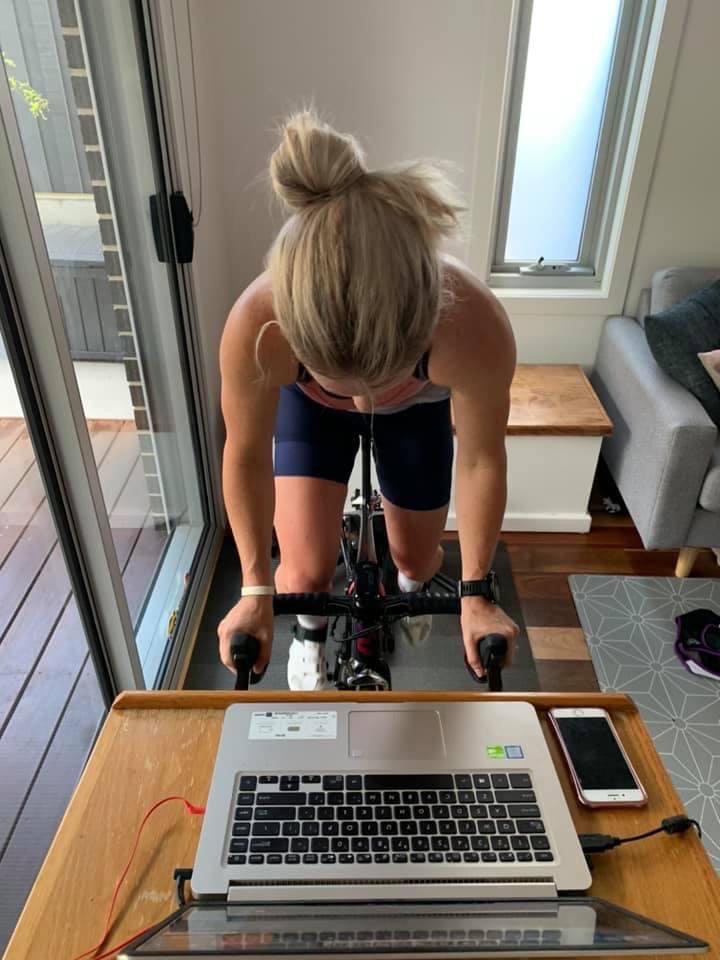
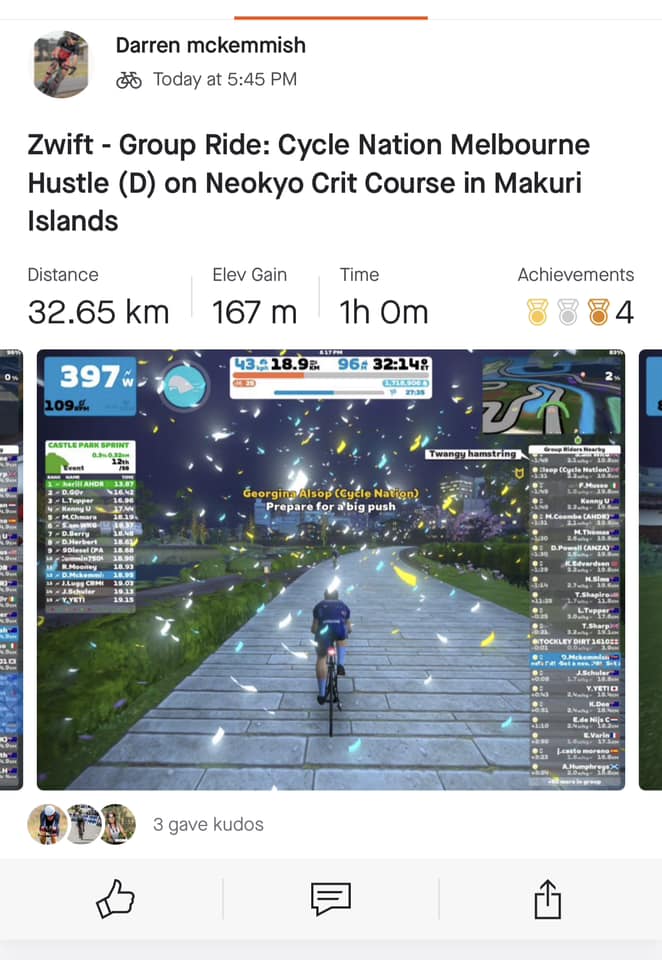
I’m not a massive fan of ERG Mode in Zwift (and other indoor training platforms). There. I’ve said it! “WHAT?!” I hear you say? “ERG mode is the best! You can just have it set and not have to think!” And right there is exactly one of my points…. Now let me explain…..
Pretty much every athlete these days has a smart trainer for indoor bike sessions. A smart trainer is the ability of the trainer to be able to ‘talk’ to your computer / device / app and be able to control the bike’s resistance without the ‘need’ for you to change gears.
It then goes to the next step of having the ability to ride using ‘ERG mode’. And ERG mode is a setting in many training platforms such as Zwift and TrainerRoad whereas it fixes your power output to a specific target power in a structured workout and then automatically adjusts your resistance to match your cadence. If you don’t have ERG mode on, then you essentially have to generate the power / effort yourself – like the ‘good old days’! ;-p
Power is essentially calculated by how hard you are pressing on the pedals (torque) by how fast you are turning the pedals (cadence). So ERG mode uses these two measures to ensure you hit your prescribed power.
So if your session asks you to hold say, 200watts, the trainers resistance will automatically increase if your cadence drops (ie it will feel harder). On the flip side, it will decrease if your cadence increases – all with the aim of holding that 200watts.
When this feature first came out, everyone loved it. Oh to be able to jump on the bike, hit ‘start’ and simply ride without thinking too much. But lets think about that a little. Your riding without thinking? Without giving much focus on what you are doing – your pedal stroke, how hard you are pushing, what that ‘feels’ like – as long as you are able to ‘keep up’.
Now this CAN be great – especially for those who struggle to pace their efforts and regulate their power. It can also help you work through multiple intervals without being able to ‘slacken off’, or push for those last seconds / minutes when you may have previously given up sooner, or weren’t able to hold the power – think of it like a treadmill. Set a pace on the treadmill – you can’t slow down unless you manually change it. ERG mode does the same.
By having the power fixed to a specific target, ERG mode allows you to target specific training adaptions – ie if you are wanting to train in your threshold zone, or working on your VO2, and great if you are after a recovery or endurance ride and not go into that grey tempo zone…. ERG mode will make sure you are hitting those specific zones to stimulate the adaptions you / your coach is looking for.
To a lot of athletes, this can be GREAT! And don’t get me wrong, it can be, BUT there are also many reasons why I don’t love ERG mode……
WHY WE DON’T LOVE ERG MODE
ERG Mode is set on a specific percentage / target of FTP. Instead of a range. So when an athlete is aiming to target say VO2, ERG mode will force you to hold one defined power number. But this is not THE only number, there’s a range you can be in and still hit your target. So if you are ‘stuck’ in ERG mode, you could actually be putting a cap / ceiling on your training effort. Not ideal!
Your FTP can change based on the training load you are in, how recovered you are, the amount of fatigue you are carrying, etc etc. So some days your FTP will feel/be spot on, and others it may feel too hard or too easy. So some days, if you are in ERG mode an effort might feel too hard, and on others, it might be too low. Those athletes who have used training platforms such as zwift for awhile and know and understand this can adjust their bias / difficulty to reflect this, but an unseasoned athlete might just blindly follow along without understanding and adjusting accordingly…. And therefore not training as effectively as they could be. OR over train….
ERG mode can turn into a downward spiral if you start to fatigue / are fatigued and cadence drops below that comfortable range. The resistance will increase – like someone is tightening the screws, and this increases the feel of the effort for the same power. If you still can’t hold it, resistance continues to increase and your cadence will continue to drop . If you kept persisting, you may eventually not be able to turn the pedals! (for anyone who has done a ramp test on Zwift you will know what I mean!) ;-p This isn’t a space where you want to get to in a training session and should be avoided at all costs.
ERG mode has a ‘lag’ in the changes to your power targets. So if you doing a workout that calls for short sprint efforts, it can be an issue as it takes a few moments to bring the power up, and then the other end, takes a few moments to drop the power when your interval finishes! It will also mean short sprints won’t give the ‘feel’ of a true sprint – ie that big power spike as you take off, then the drop to the power you can maintain for the remainder of the sprint.. Not really gaining the biggest bang for your buck.
Athletes can get a little lazy and not even change gears on their bike while using ERG mode. Some could see this as a benefit, I certainly don’t! While we are using the trainer to increase our fitness and performance, we should still try and replicate the outdoors as much as possible – and this includes changing your gears. So if you’re not, then make sure you start.
I have also seen athletes who use ERG mode too much, loose their ability to be able to gauge their effort and pacing, being able to control power output with the appropriate gear selection and most efficient cadence and having the mental resilience to be able to push hard ‘on their own’ without being ‘forced’ to by ERG mode… Not ideal when you take your training and racing out on the road !
Depending on the session, the effort, and how you are feeling, sometimes ERG mode efforts can feel ‘artificial’. A way I describe this to my athletes is, it feels like your trainer/device is generating the power for you, and you don’t feel in control of the power yourself. You might be hitting the targets and the power and cadence but it just doesn’t feel like ‘real life’ riding. As if your fighting against the trainer a little to get the outcome, rather than being on top of it and riding smooth with great technique at the effort required. If you do this too often, bad habits can form…
I will often have athletes who love ERG mode, start with it on, but then during the session switch it off, and quite often they are actually able to push the same or MORE power with LESS effort. Go figure! And this comes back to that feel. When you generate the power yourself, you are nearly always going to get a much better feel than if you are pushing against the push/pull effort of ERG mode.
So – as much as there are some great aspects of using ERG mode and it certainly has a place in indoor training, I make sure my athletes aren’t using it ALL the time. I coach them to be able to know when it’s right / a good time to use it, when they may need to scale their bias/effort, or when they should switch it off and push the effort themselves.
SO – if you are using ERG mode often, I encourage you to switch it off every now and then, even within a session if you have repeat intervals, do one with ERG mode on, one with ERG mode off and see / feel the difference. Which one ‘feels’ more real life? And which one feels more artificially generated? And always go with the real life feel – even if it means your power is slightly lower….
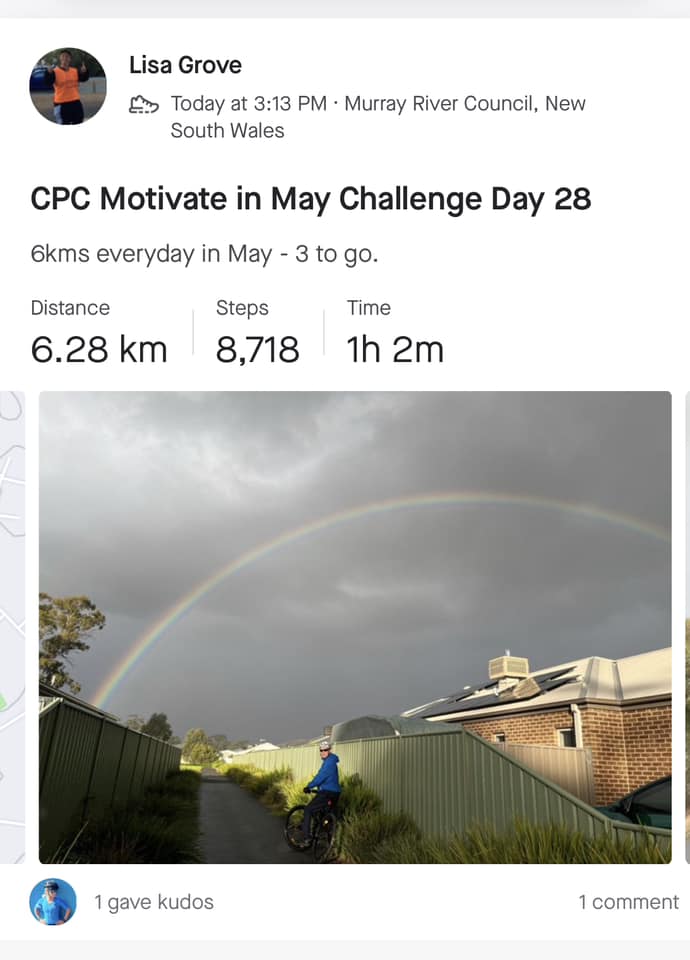
The month of May this year saw the majority of our team embark on a challenge of their choosing. A chance to set a goal motivating for them. They were then tasked with the challenge to fulfill that, whatever it may be. But the aim was to set the goal, have a reason behind the goal and find the discipline and determination to work towards that goal, even when they may not have been ‘motivated’. You can read more on the challenge and what was involved here.
And the results were amazing and awesome to witness ! We had such a variety of challenges chosen, which just reminded me of the variety of individuals coached within our group. Some of the challenges chosen included:
‘Run every day in May’ – we had a few take on this challenge!
Walk every day in May
Swim every day in May
Eat 2 x pieces of fruit a day
Drink 2litres of water a day
Activations prior to each training session
Complete S&C each day / each week (aiming to solidify this habit!)
Daily cold shower / cryotherapy brrrr !
Consistency challenge, of training every day
And so many more!
There was hundreds of kms and hours (literally!) dedicated in May for this challenge, all aimed at forming a new habit, or breaking an old one.. Sparking personal growth, building mental resilience or simply trying something new. A great challenge to take on alongside their other training when most of these athletes are in their off season or base season.
Some added bonuses that came out of our challenge included:
Sense of self satisfaction and achievement
Body fat loss. (bonus!)
New healthy habits formed
One athlete even stated “it did wonders for my body, but more importantly for my mental health“… can’t get much better than that !
As a Coach, this challenge reiterated the importance of community, of belonging, of taking ownership, of pushing oneself…
And as an athlete myself, what did I learn of my challenge? I will always join in challenges with my crew as I feel like it’s important to feel and understand what they are going through, the challenges they may face – the same with training. I complete many of the training sessions I prescribe because then as a Coach and an athlete myself, I know what that session will feel like…
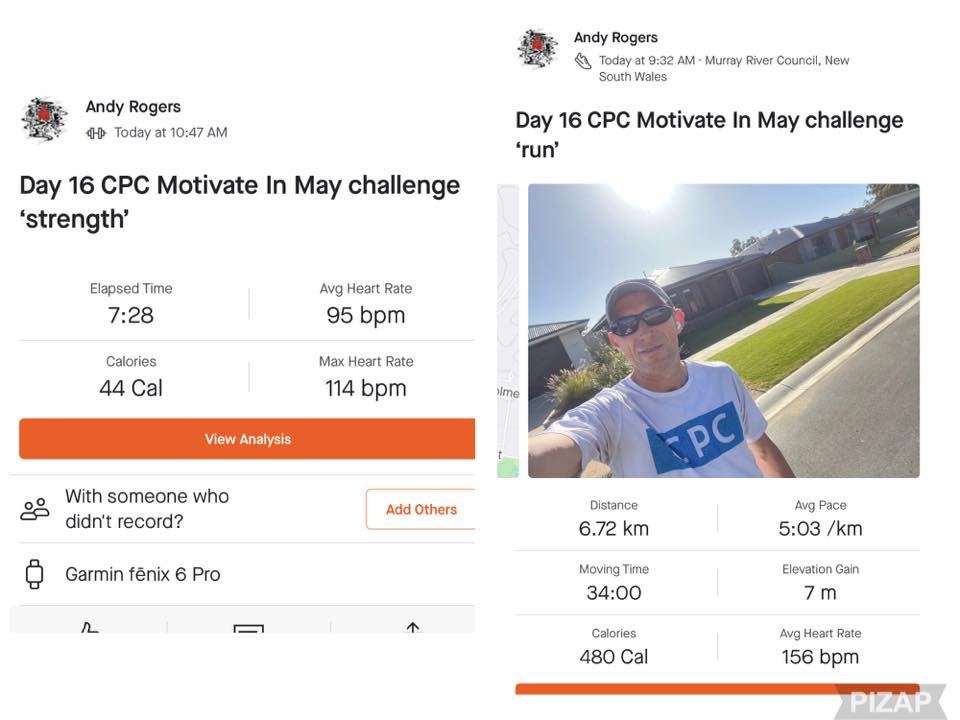
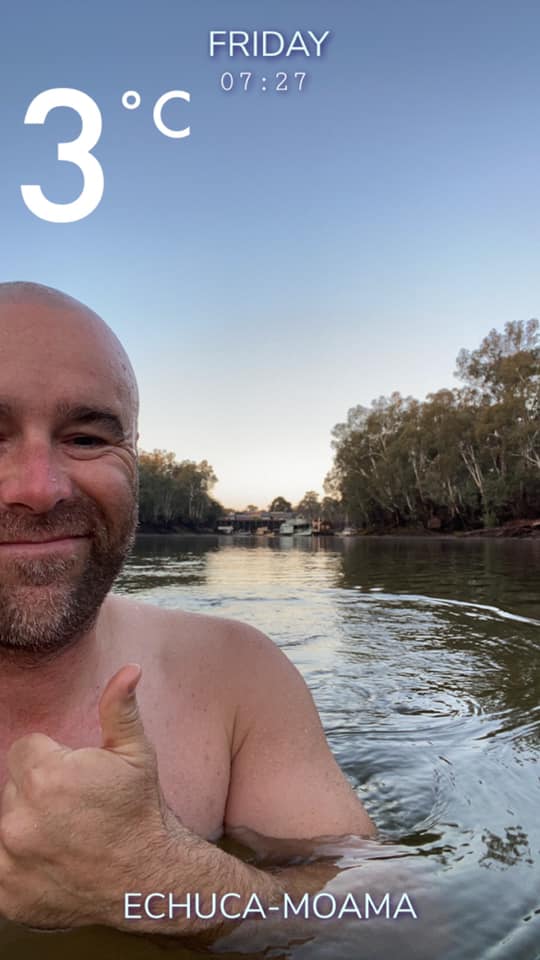
So for me, I took on the challenge of running every day in May, plus adding at least 10min a day as ‘me’ time (something I find hard to do!), as well as daily cryotherapy. Either hot/cold shower or cold plunge every day. Oomph – a hard one in cold weather! But man did I see the benefits! These were not only invigorating, but I felt I slept better when I did this before bed – especially during the luteal phase of my cycle when a females core body temperature increases – try it ladies! Plus not to mention research into the many other benefits.. Read more here.
The run portion of my challenge – although was the most time consuming and physically demanding of my 3 goals, it was actually the easiest in a sense. And I find that many athletes are the same. As we love to train. We love to push our bodies and we love a challenge. But something like taking 10min out of your day to simply sit and be – oh how much harder that can be for many! (more on that…) Personally I decided to include the run challenge as I’d had a love/hate relationship with running for a few months – probably longer. I just didn’t feel in flow, and just generally felt clunky. Mainly due to my lack of consistency. (so surprise surprise!). So nothing like a run challenge to up the consistency and boy has it made a difference !
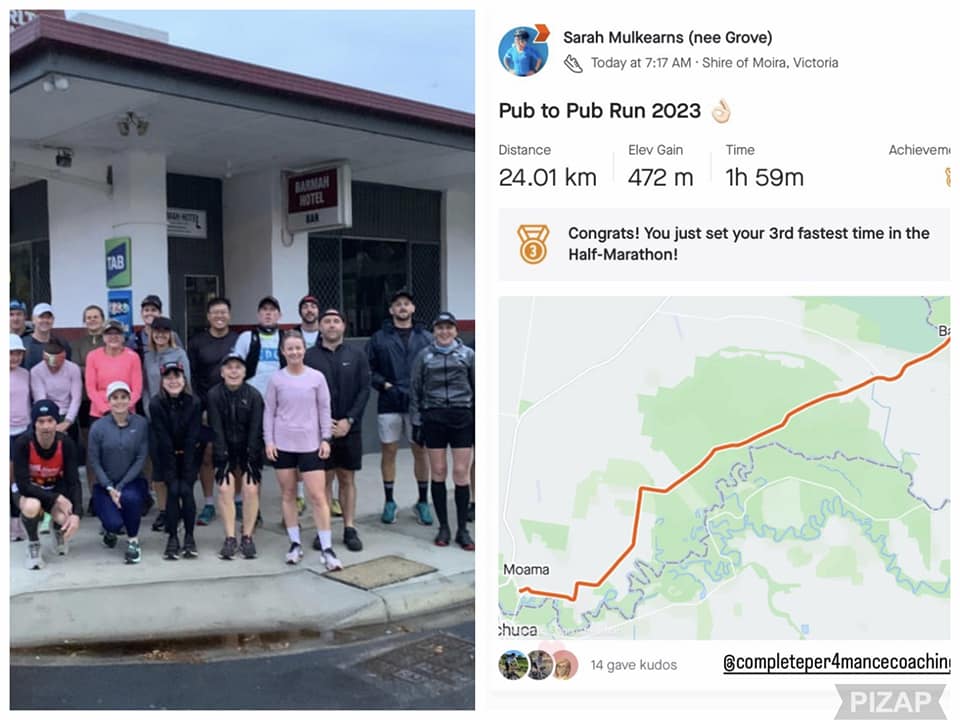
The first week I was off to a slow but good start. It wasn’t a chore and I enjoyed having a goal as my motivation. Nice consistent week to begin. Week two felt much of the same, but I could feel it becoming easier, I was getting faster for the same effort. Into week three and I had some on and off days. One day I felt light as a feather, running faster and at ease than I’d felt in some time, then two days later I was day 1 of my cycle and felt heavy and as slow as a slug. A reminder to athletes that not every day you will feel amazing! And female hormone changes throughout the month can play a part in this.. Into the last week and I backed it off a little, I’d been doing 50km weeks along with my other training, with the longest run being an hour-ish. But leading into the last week we had a 24km ‘Pub to Pub’ Run – where a group of local runners would run from one town pub to the next town pub. I knew I hadn’t trained for the distance, but I was banking on the run kms in my legs carrying me through and that they did! I felt awesome the whole run and finished feeling strong, in control and ticking along at a nice pace! So another reminder to athletes that you don’t have to train for a specific distance to be able to do the specific distance well. If you have consistency and that general base fitness, you look after your body and recover well, you will be able to complete a challenge over and above what you have been training for. So don’t ever be too scared to take on a challenge ! But in saying that, my legs pulled up rubbish after this run! I could barely walk! lol So even though I managed the run well, my muscles definitely weren’t ultra conditioned for it, so I hobbled through the last 3 days of the challenge completing run/walk recovery runs. Job done though! ;-p
Onto the 10min of daily ‘me’ time. Call it mindfulness time if you wish. It was time where I could just take 10min to myself – that DIDN’T include using a device! I used a variety of options over the month including reading a book, sitting in the sun eating my lunch, taking a small walk, having a bath, sitting on the river after a run and just listening, feeling and being in the moment. Honestly, I really enjoyed this small amount of time each day of simply just being present. BUT at the same time I really found it a challenge to make it a priority. For someone who is naturally a ‘giver’ I found it tough to take back and give to myself. Note to self, must continue with this and continue to make it a priority!….
Moral of the story – consistency is ALWYAS key. It doesn’t have to be every day. But stay consistent in your approach and it will get easier, you will improve and you will reap the rewards… The whole idea for implementing the Motivate in May Challenge for our crew was to first motivate them into action, but then showing them that it is the discipline and the commitment to the goal that will carry you through to the end.
And I am pleased to say, our whole team did such an amazing job, physically, mentally and emotionally reaping the benefits that will carry them through into the coming season. So we are already one step ahead!
Until our next challenge….. 🙂
Here’s a little snippet of the fun everyone got up to !
“You only get to do your first Ironman once. So take your time down that finishing chute! Soak it all in. Look around. Find your loved ones. Embrace them. And draw in all that energy! That is the feeling you have been chasing all day. That is what you have trained so hard for. So don’t rush it. Remember it, savour it and enjoy it !”
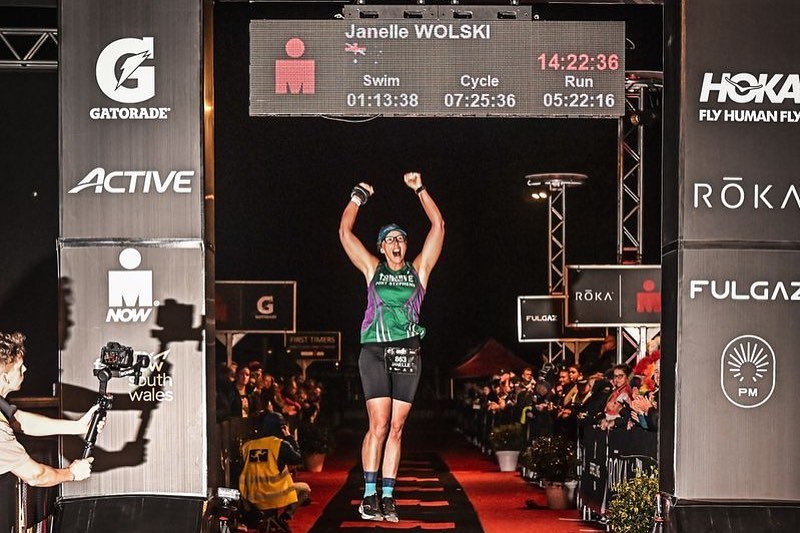
Advice I gave first time Ironman Athlete Janelle Wolski ahead of her first Ironman at Ironman Australia last weekend…. And she heeded that advice with full gusto ! Her finish line video and pics are incredible and a memory she will savour forever !
When the dust settled after her race, she shared her experience with me, and by sharing with others, may just inspire someone else to take on a challenge that scares you, to step outside your comfort zone, to be brave, and to trust in the process…..
JANELLE:
Prior to the race: I was nervous off and on , all week prior. Why was I so nervous ? I asked myself…. I think I was scared I wouldn’t have the mental toughness if there was a situation in the race where I got overwhelmed at what was ahead of me and I might just give up …….which isn’t like me but these thoughts kept creeping in . There is also the ‘mum guilt’ that pops up … if I fail at this , what a selfish waste of time all the training has been and the expense, the race, accommodation etc etc.. I know this is irrational for many reasons. The training plan fitted in with our lifestyle ( legend coach!), sometimes I dropped the ball with things on the home front and at times I was distracted, but the kids knew what I was aiming for and well, that’s life sometimes. We can’t always have all our ducks in a row, and I know that that’s aok.
I suppose when nerves set in and thoughts of uncertainty about race day follow, the self sabotage sets in !!! What a ride it’s been and I hadn’t even started the race . I know tapering can make you cranky or feel off but I wasn’t expecting the nerves …………..I guess it also showed how much I really cared about achieving this goal …………
Race day ………3 hours sleep tops, but I had a fantastic sleep the night before and a nap during Saturday and others have probably functioned during an ironman on less sleep. I just kept thinking that no matter what , by this time tomorrow the day would have been played out and just relax girl …… I started to feel better on the walk to transition and Bryan (hubby) was a calming voice, ‘this is normal don’t worry, everyone is feeling the same‘. Thankfully it helped and I started to feel better …….. Transition done , I found some Maitland Tri Club girls that raced their first IM last year and before I knew it we were walking to the swim start ( thanks to Ange, the constant reminder that it is just a long training day) … as coach would say “hurry slowly.”
The swim was amazing , I forgot to hit go on my watch, oh well, I turned it on at the weir. I liked the stop start of going over the weir, a chance to reset and site from above. The next time going back over the weir I got to put my swim cap on that came off , this has never happened before but no dramas , I didn’t rush the swim and at no time felt tired , I felt I was pacing right and because I stuffed up my watch I had no idea of my time when I got out of the water, I was in disbelief later to find out I did 1.13 … goal was 1 hour 20 mins and I expected to go over that …… I was wrapped!
Transition 10 minutes … I’m glad I didn’t go over 10 minutes , I’m totally fine with my transition time and the decision to wear bike knicks as I was comfortable the whole ride , I have no plans to do another ironman in the near future , but if I do, I would like to get use to long rides in a tri suit so as to not have to fluff about with the clothing changes. :-p
Off on the bike and realised I left my electrolyte / hydration tablets in my bike bag. Thankfully (again thanks Coach!) I had backup at personnel needs station. Crisis averted..
The ride going out was flat , I was doing 30 km p/h plus .. with hardly any pressure on pedals, was I going to hard? I didn’t think so , so I kept on at that pace , the bike course was easier than the old course, everyone I have spoken too has disagreed though.. There were rolling hills but no steep spikes of hills like the first 15km of the old course ( which I knew was ahead of me ). At the 30 km mark I had that preempted thought of “shit what have I got myself into“ but it was brief, I didn’t let it fester and though and reminded myself that I’d done the work. Nutrition – I consumed my 3 hour plan of infinite nutrition in 2 hours and my hydration was gone in 1 hour …. I hadn’t factored in being so thirsty and hungry after the swim. The 44 km mark came, personal needs stop done, too easy, back we go .
Technically, there were steep long downhills that didn’t feel too steep when going up them . Going down the hills I didn’t pedal much , I got good speed , tucked in and let my legs rest while I held on tight. The tail wind going out was nice but the roads were bumpy and there were bottles strewn all over the place, many with flat tyres. It is proper country roads, so not many spectators. I liked the course ….. but …… it’s not appealing to do it again, I would prefer doing the old IM course because of the scenery, the out and back and the spectators.
Coming back into town and going out for 40 km I knew would be hard however the hills weren’t as bad as I remember when I did 70.3 a few years ago. I think my bike fitness made a huge difference. I had to keep concentrating at this time, the wind was brutal . More times than I can count I got knocked around by cross winds. Going downhill was particularly nerve wracking. A lapse in concentration and it could have ended my day but I was not breaking in the downhills unless absolutely necessary because it was free speed!
Many times throughout the bike my mind would wander to “how on earth am I going to run after this bike“? Focus was key, I was chatting about my angst with the run leg to a kids sports psych at the boys soccer once and she said “when you are swimming, think about swimming !” “Don’t think about running when you are still swimming”, lol simple and affective, be in the moment.
I was now on the home stretch back in town, firstly ….…..block out all the people already on the run course and already finished, run my own race, it has gone perfectly so far. I nailed the nutrition , I kept it going throughout the ride and it was a good distraction making a few little adjustments that I thought I needed. The wind was blowing straight up the Main Street of Port it felt like I was going nowhere it was sooooo strong. I did not want to lose control of my bike going down the Main Street of Port 😬 How embarrassing would that be!
Coming into transition and all of a sudden the bike was done! I gave myself a pat on the back – I was happy. I knew I had trained well and executed my race plan well when I was passing people in the last 30 km of the bike who are cooked.
Transition . There is a definite mental lift changing into run gear it felt good. Home stretch ! I have never thought finishing this Ironman was a given. There are so many variables that can be out of your control …mechanical or gut issues, sickness, random niggles that pop up… But so far so good !
Starting the run I wasn’t yet convinced I would finish but it was definitely looking very likely. I started running to see how I felt. I have learnt after doing long hours of training that often I will feel worse at the start before feeling better. This was in my mind to not panic if I set off and then felt crap ….. but that didn’t happen. I felt ok, no nausea , no low blood pressure feeling. Nutrition nailed. It was cold by now – and it suited me … not for others who ran in hoodies and gloves! I said to myself if I walk I will get colder and when the wind was behind me I’m not to walk. Some negative thoughts popped up in my mind when I saw someone else I knew out there racing and next thing I know………I am walking WTF !!!
I thought to myself, “I’m feeling pretty good stop with the unhelpful thoughts !!!” There was an aid station not far from me. I walked to it, regrouped and decided to run … mostly … with blinkers on and sticking to the plan. Get to 21 km, aid station and big hill walk only. Off I went and stuck to it pretty closely, I was happy ! The 3rd lap I thought, keep the plan going with 20% room for error 🙂 This lap was going to be the hardest, seeing others finishing, that point in the race when you aren’t on your last lap yet and it still feels a long way away…. So I had to block it out and my goal was to pass the last finish line for the last time for the last 5 or so kms , then I allowed myself to imagine finishing and think about the day and start to believe it would happen but not only that, it happened really well! I had NO idea at this stage what my time was, the last 2 laps I was feeling the pain. By the 4th lap I gave into the lure of more walks but was so proud of sticking to my plan as long as possible. I stuck to my nutrition which helped immensely I have no doubt !
A Tri friend met me with 200 metres to go and ran with me to near start of the carpet and said some really awesome things and said your time is fantastic and told me, I couldn’t believe my time, it was really such an amazing feeling! And the lights, the people the noise – simply incredible! I found hubby Bryan and son Liam and some other friends were there also, big hugs had all round! I always thought my legs would stop working at the finish line and I would be almost collapsing but I felt like I was running on a springboard. I was soooo proud of my time, but most of all I was so proud of myself, of my achievement. An absolute bonus, I finished well under 15 hours 14.22 !
What an amazing day, so very lucky to have the opportunity, grateful to have made the start line fit and healthy. There had been a few circumstances that had me very close to pulling the pin on the training and my goal, but I kept training through and adjusted training when needed – thanks to coach – it made all the difference!
…. Mmmm and right now I just had a thought …… imagine if I didn’t have a 20 minute transition time or picked up the pace in the swim? I could have got under 14 hours ? ………. and there it is …… so this is how it happens that somehow you end up registering for another Ironman 😂😂😂😂😂
Thank you SO much for sharing your experience Janelle. Such an incredible effort ! What a super star mum !