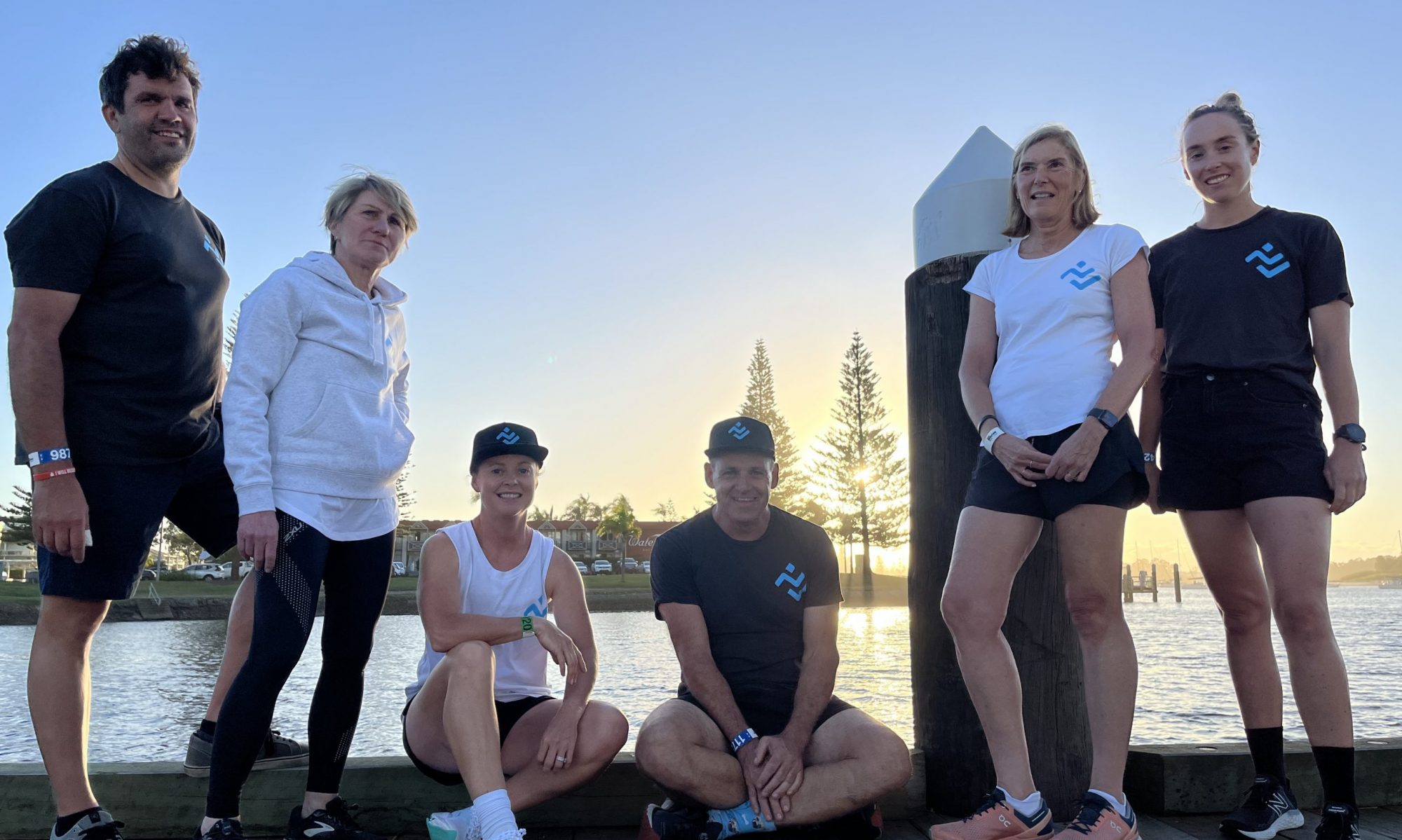
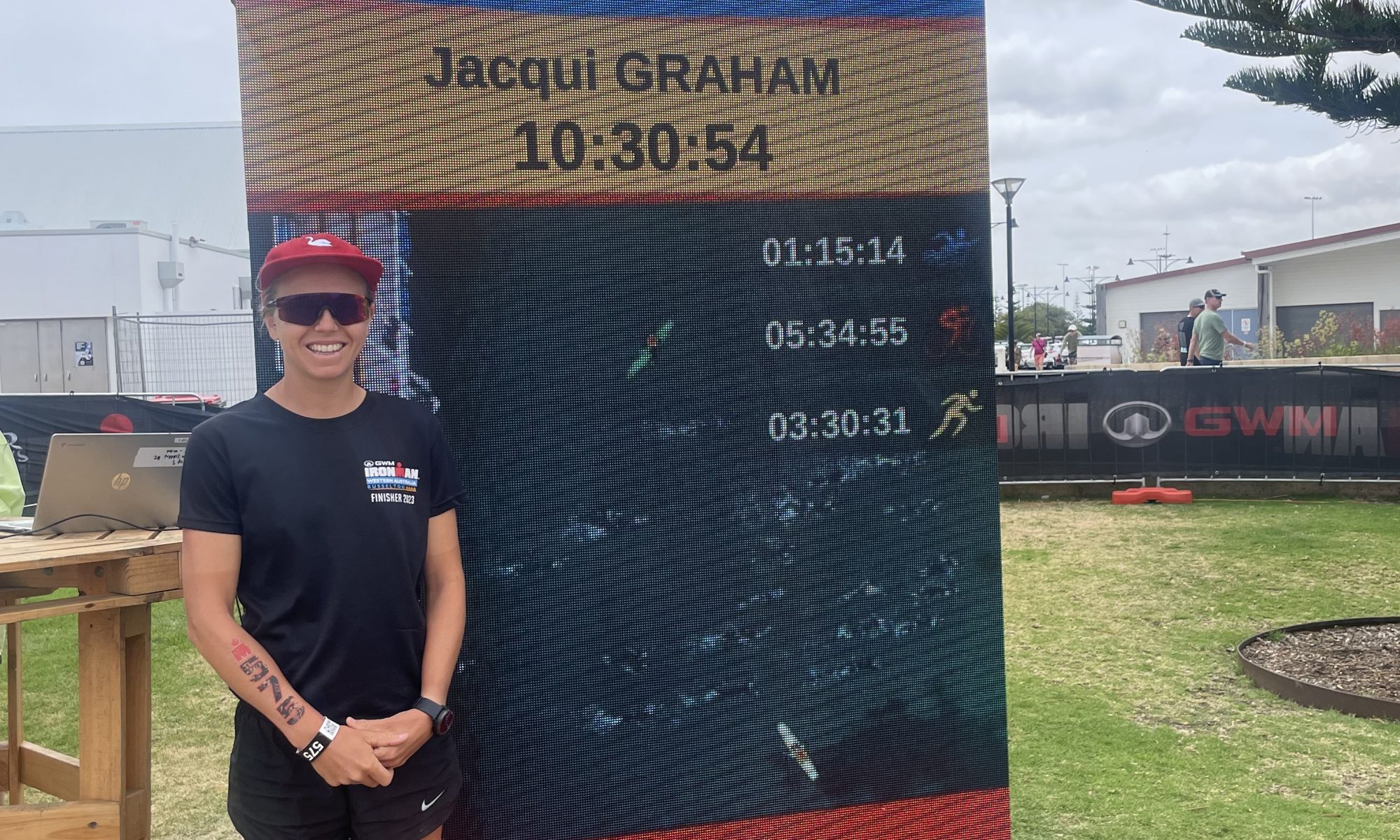
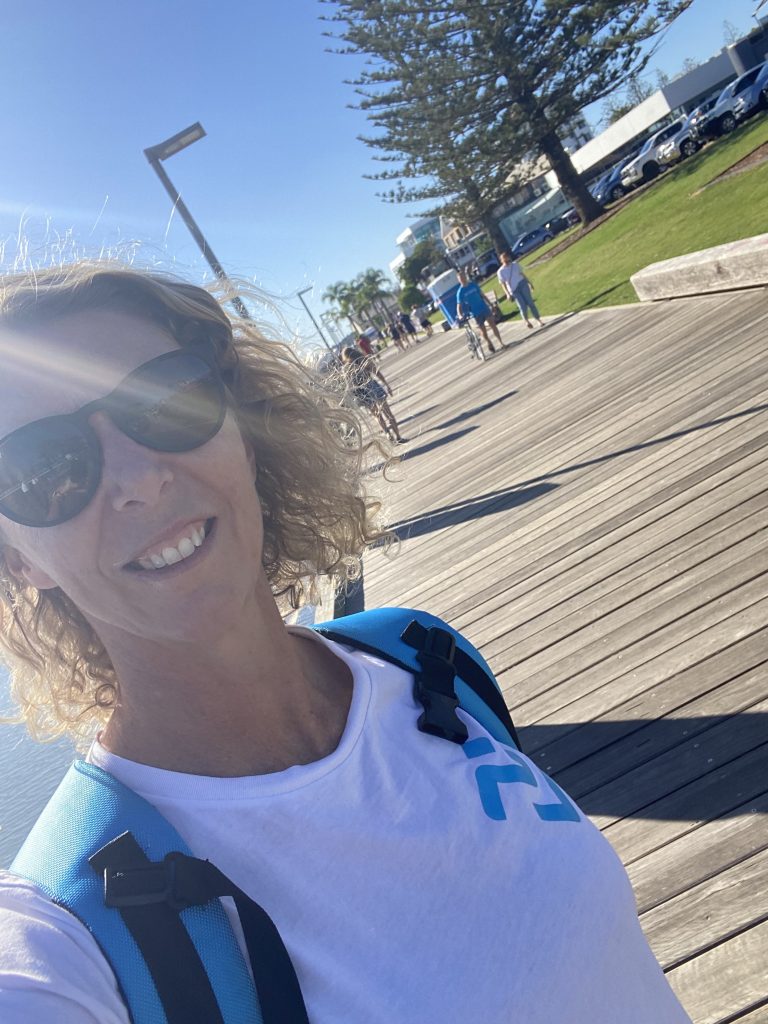
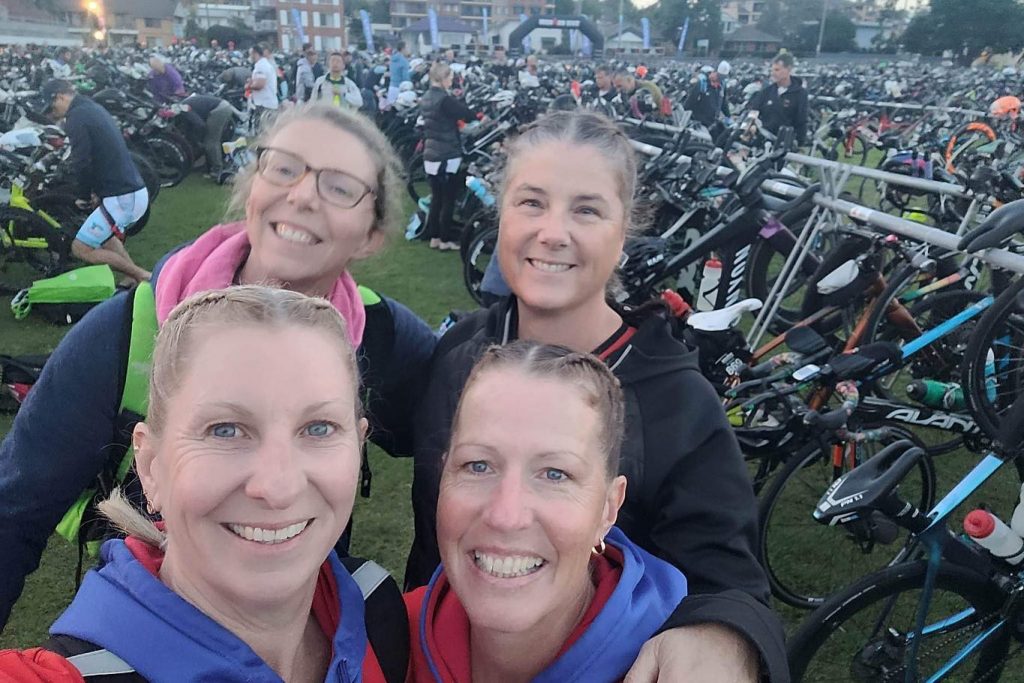
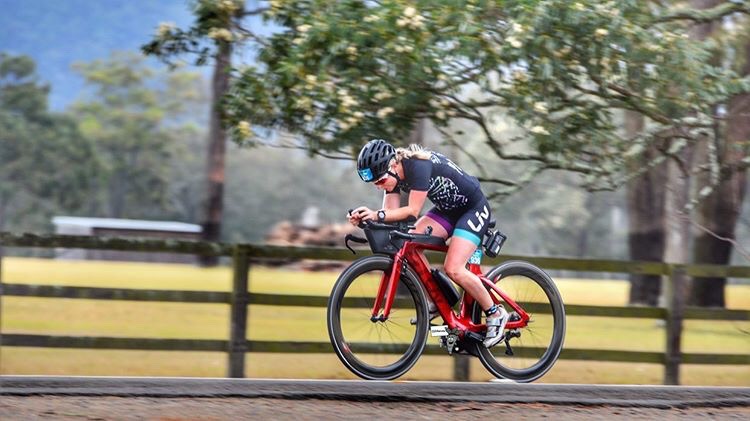
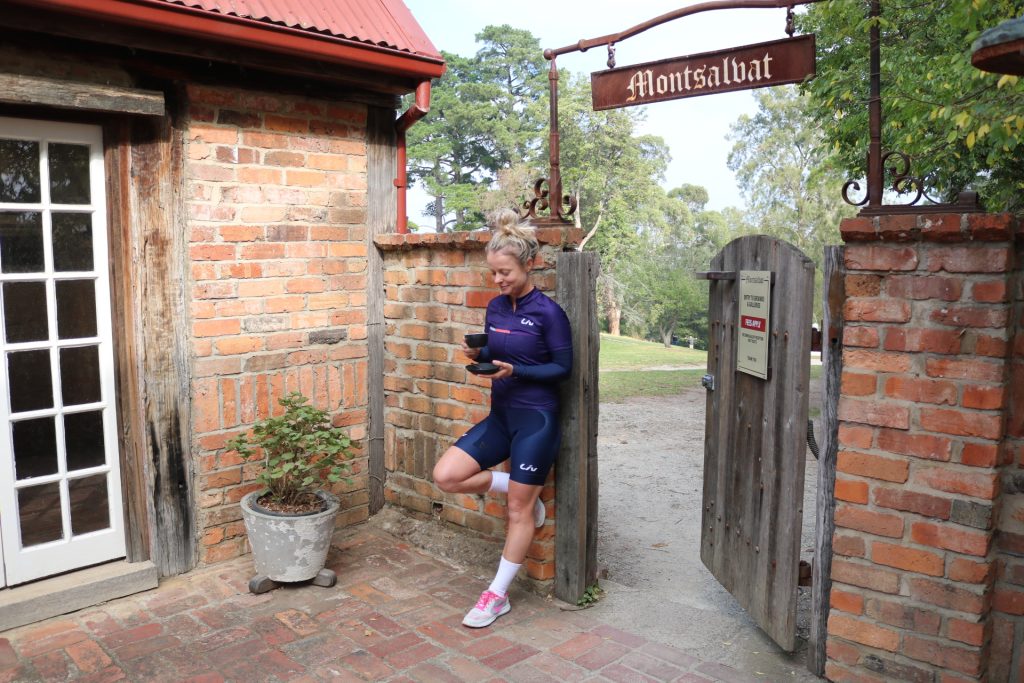
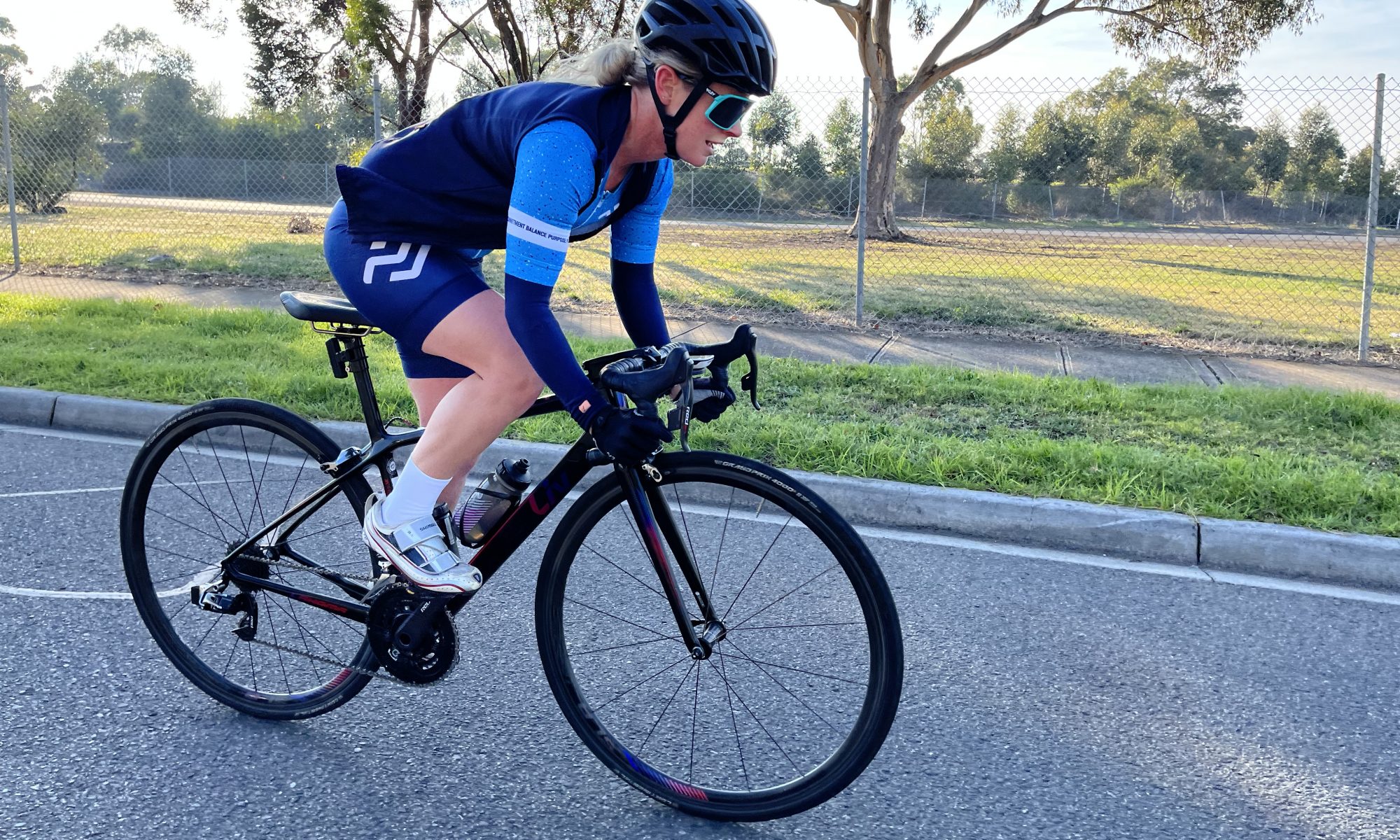
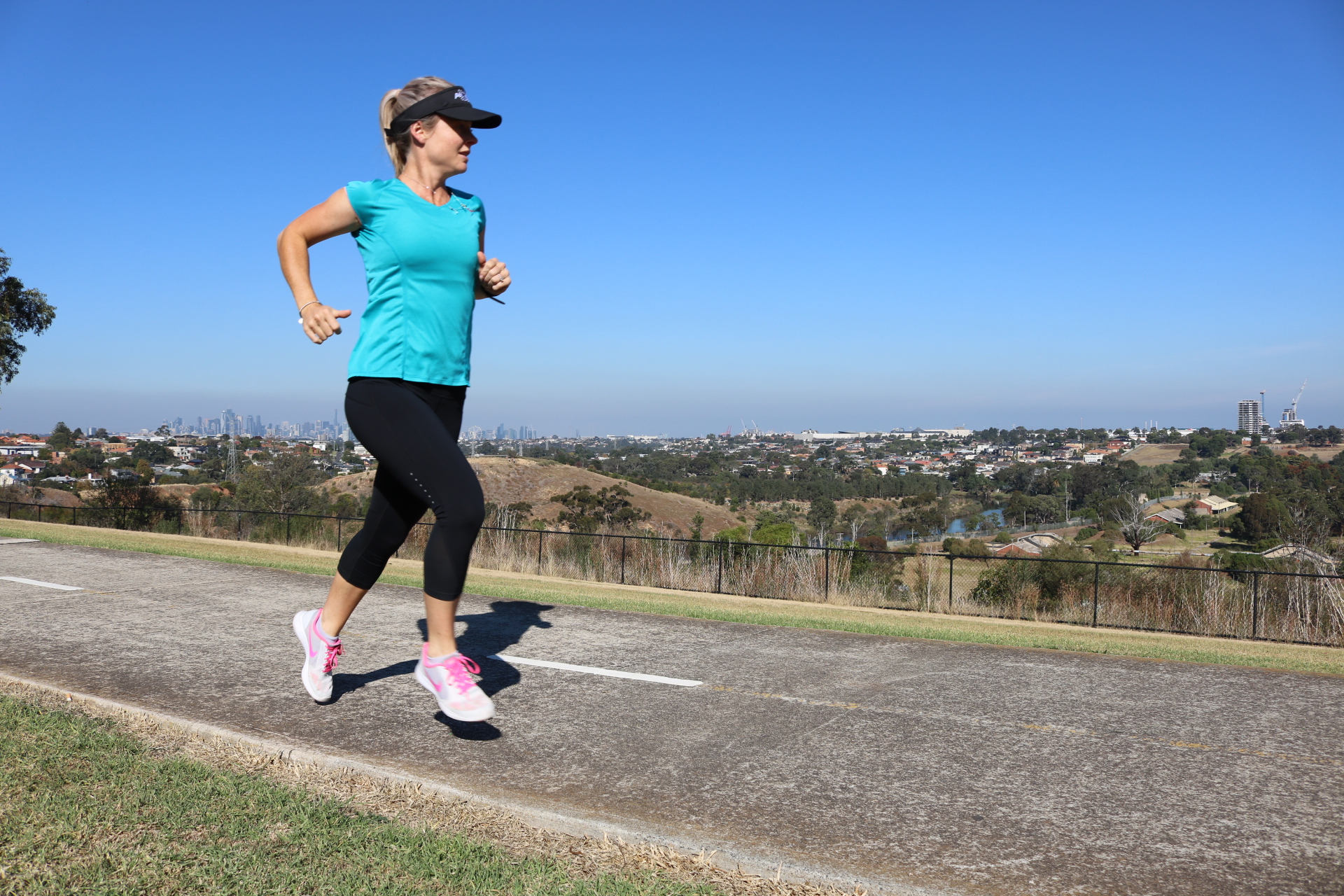
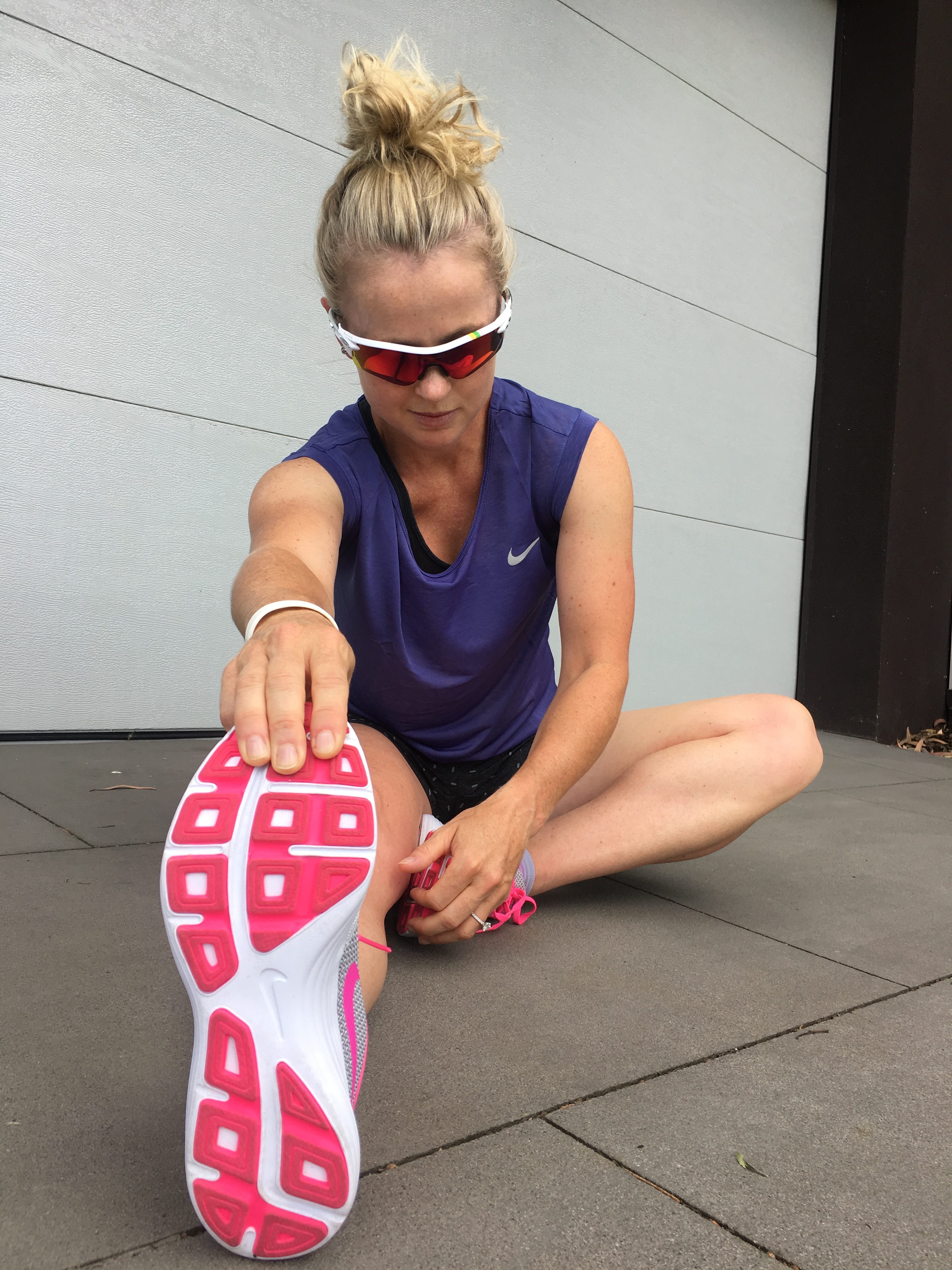
A new comer to the sport of triathlon who is already making her mark. Podiuming in her first Ironman and qualifying for Nice 2024, she’s ready to embark on coaching to see how far she can take her racing. As a shift worker, she is also keen to continue to buck the trend of traditionally poor health outcomes for not just shift but also health care workers – so continues on her quest of participating in competitive sport and making good lifestyle choices. Keep an eye on this athletes. She truly is just getting started….
Name: Jacqui Graham
Nickname: Cracker Jacq – less frequently used these days!
Age / Age Group: 30-34
Lives: Yea, Vic
Targeted Sport: Triathlon
Years in the Sport: A very loose 1 year !
How did you get started: In 2022 a very good friend signed up for an Ironman as a bucket list tick off, prior to his first child. My wife and I decided we would do the 70.3 as support. I enjoyed the day with no real intention of doing another. However 6 months later I had forgotten that, then deciding to do a full IM in Dec 2023. (and Jacqui conveniently left out the bit where she qualified for the IM World champs at said race!)
Why I choose CPC: I’ve not had previous coaching and I am super excited to work with someone who has the expertise to get the most out of myself. I’ve only heard of good things re CPC and the match just felt right.
What I ‘get’ from my sport: Sport/being active has always been a main priority for my wife and I. Being a shift worker, which is associated with poor health outcomes, I have always been determined to not let that stop me from participating in competitive sport or making good lifestyle choices. The exception to the rule hopefully. Or maybe the rule could change!
Ultimate Goal: Ultimately, it would be to never stop getting better. However, Sub 10hr IM and sub 5hr 70.3 would be equally ace.
What I couldn’t live without: My wife & doggos + homemade hummus. 🙂
Biggest love: The above + exercise!
Pet peeve!: Dirty floors (two floofy dogs makes for a regular occurrence).
Interesting fact about me: I’m vegan. It would be un-stereotypical of a vegan if I didn’t mention it. ;-p
We can’t wait to see what is instore for Jacqui – as we know it’s going to be an exciting ride!
Relatively new to the sport of triathlon, but not new to setting big goals! ‘Heater’ is preparing himself for the heat of Busso and tackling his first Ironman. But the journey hasn’t been without it’s challenges, including working on his mental health, keeping niggles at bay and doing the hard yards solo! But he has a story to tell – including one that involves the great Michael Schumacher ! . . .
Name: Heath Lowry
Nickname: heater
Age / Age Group: 35-39
Lives: Moama, Vic
Targeted Sport: Triathlon & AFL !
Years in the Sport: 2-3years in Triathlon
How did you get started: My uncle is in the sport and he encourages me to get involves, and the local triathlon club in Echuca/Moama has been great.
Why I choose CPC: Sarah was recommend to me many years ago, and now that I have a couple of big goals thought it would be smart to get the right coaching! A good decision, because now I don’t have to just be in my own head, I know what’s planned and I can bounce things off her – especially any doubts I may have along the way !
What I ‘get’ from my sport: In recent years I have struggled with my mental health and by getting outside training it has helped massively in this space. The benefits of it have been huge on my journey.
Ultimate Goal: To complete the Busselton Ironman in December 2023!
What I couldn’t live without: My Coffee Machine
Biggest love: Vietnamese pho soup
Pet peeve!: Bad Manners!
Interesting fact about me: I once cooked a meal for Michael Schumacher and the Ferrari F1 Team. (I think we will all need more details on this Heath!!)
“You only get to do your first Ironman once. So take your time down that finishing chute! Soak it all in. Look around. Find your loved ones. Embrace them. And draw in all that energy! That is the feeling you have been chasing all day. That is what you have trained so hard for. So don’t rush it. Remember it, savour it and enjoy it !”
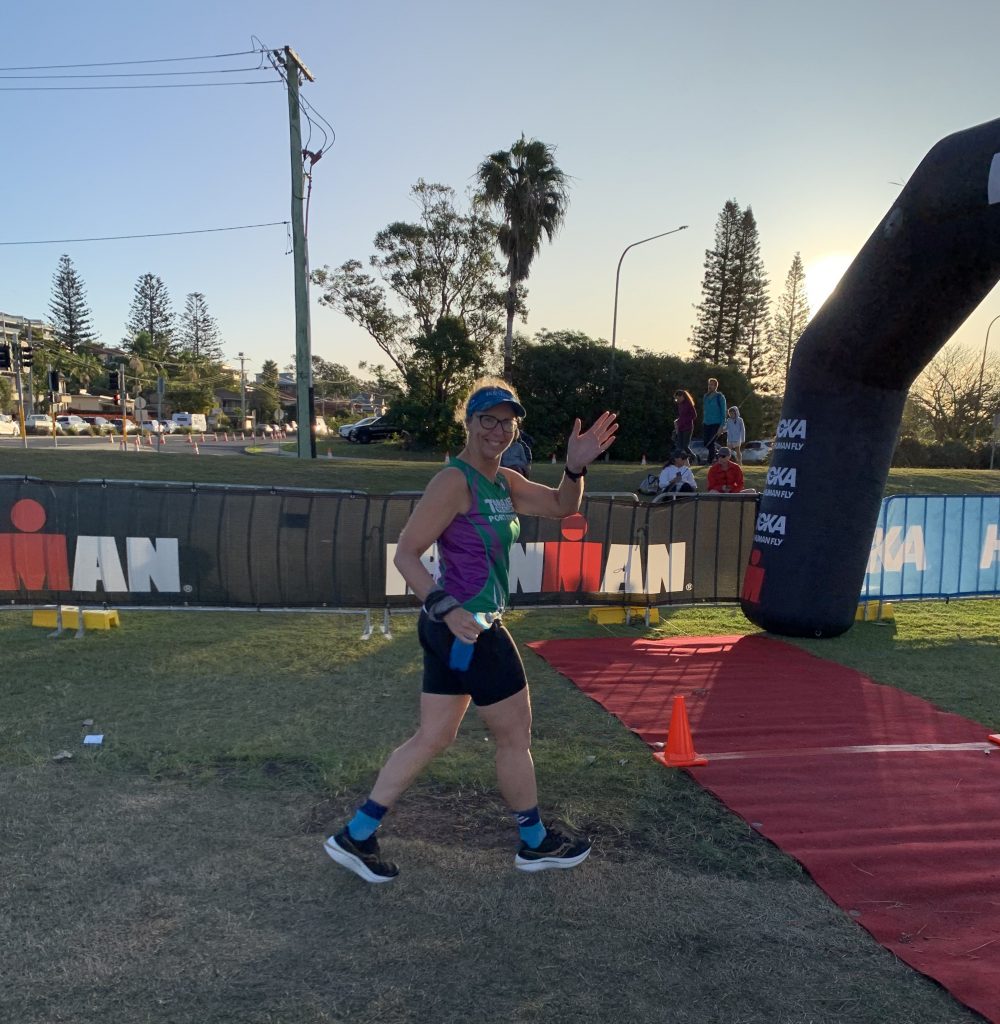
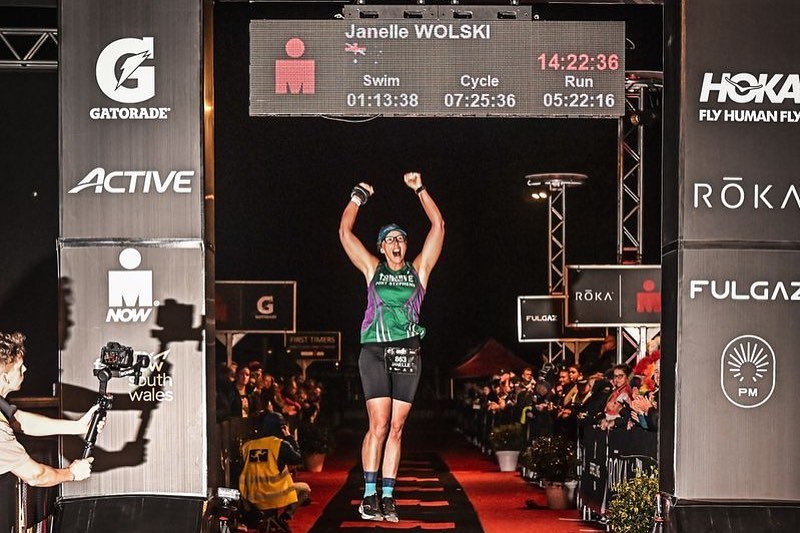
Advice I gave first time Ironman Athlete Janelle Wolski ahead of her first Ironman at Ironman Australia last weekend…. And she heeded that advice with full gusto ! Her finish line video and pics are incredible and a memory she will savour forever !
When the dust settled after her race, she shared her experience with me, and by sharing with others, may just inspire someone else to take on a challenge that scares you, to step outside your comfort zone, to be brave, and to trust in the process…..
JANELLE:
Prior to the race: I was nervous off and on , all week prior. Why was I so nervous ? I asked myself…. I think I was scared I wouldn’t have the mental toughness if there was a situation in the race where I got overwhelmed at what was ahead of me and I might just give up …….which isn’t like me but these thoughts kept creeping in . There is also the ‘mum guilt’ that pops up … if I fail at this , what a selfish waste of time all the training has been and the expense, the race, accommodation etc etc.. I know this is irrational for many reasons. The training plan fitted in with our lifestyle ( legend coach!), sometimes I dropped the ball with things on the home front and at times I was distracted, but the kids knew what I was aiming for and well, that’s life sometimes. We can’t always have all our ducks in a row, and I know that that’s aok.
I suppose when nerves set in and thoughts of uncertainty about race day follow, the self sabotage sets in !!! What a ride it’s been and I hadn’t even started the race . I know tapering can make you cranky or feel off but I wasn’t expecting the nerves …………..I guess it also showed how much I really cared about achieving this goal …………
Race day ………3 hours sleep tops, but I had a fantastic sleep the night before and a nap during Saturday and others have probably functioned during an ironman on less sleep. I just kept thinking that no matter what , by this time tomorrow the day would have been played out and just relax girl …… I started to feel better on the walk to transition and Bryan (hubby) was a calming voice, ‘this is normal don’t worry, everyone is feeling the same‘. Thankfully it helped and I started to feel better …….. Transition done , I found some Maitland Tri Club girls that raced their first IM last year and before I knew it we were walking to the swim start ( thanks to Ange, the constant reminder that it is just a long training day) … as coach would say “hurry slowly.”
The swim was amazing , I forgot to hit go on my watch, oh well, I turned it on at the weir. I liked the stop start of going over the weir, a chance to reset and site from above. The next time going back over the weir I got to put my swim cap on that came off , this has never happened before but no dramas , I didn’t rush the swim and at no time felt tired , I felt I was pacing right and because I stuffed up my watch I had no idea of my time when I got out of the water, I was in disbelief later to find out I did 1.13 … goal was 1 hour 20 mins and I expected to go over that …… I was wrapped!
Transition 10 minutes … I’m glad I didn’t go over 10 minutes , I’m totally fine with my transition time and the decision to wear bike knicks as I was comfortable the whole ride , I have no plans to do another ironman in the near future , but if I do, I would like to get use to long rides in a tri suit so as to not have to fluff about with the clothing changes. :-p
Off on the bike and realised I left my electrolyte / hydration tablets in my bike bag. Thankfully (again thanks Coach!) I had backup at personnel needs station. Crisis averted..
The ride going out was flat , I was doing 30 km p/h plus .. with hardly any pressure on pedals, was I going to hard? I didn’t think so , so I kept on at that pace , the bike course was easier than the old course, everyone I have spoken too has disagreed though.. There were rolling hills but no steep spikes of hills like the first 15km of the old course ( which I knew was ahead of me ). At the 30 km mark I had that preempted thought of “shit what have I got myself into“ but it was brief, I didn’t let it fester and though and reminded myself that I’d done the work. Nutrition – I consumed my 3 hour plan of infinite nutrition in 2 hours and my hydration was gone in 1 hour …. I hadn’t factored in being so thirsty and hungry after the swim. The 44 km mark came, personal needs stop done, too easy, back we go .
Technically, there were steep long downhills that didn’t feel too steep when going up them . Going down the hills I didn’t pedal much , I got good speed , tucked in and let my legs rest while I held on tight. The tail wind going out was nice but the roads were bumpy and there were bottles strewn all over the place, many with flat tyres. It is proper country roads, so not many spectators. I liked the course ….. but …… it’s not appealing to do it again, I would prefer doing the old IM course because of the scenery, the out and back and the spectators.
Coming back into town and going out for 40 km I knew would be hard however the hills weren’t as bad as I remember when I did 70.3 a few years ago. I think my bike fitness made a huge difference. I had to keep concentrating at this time, the wind was brutal . More times than I can count I got knocked around by cross winds. Going downhill was particularly nerve wracking. A lapse in concentration and it could have ended my day but I was not breaking in the downhills unless absolutely necessary because it was free speed!
Many times throughout the bike my mind would wander to “how on earth am I going to run after this bike“? Focus was key, I was chatting about my angst with the run leg to a kids sports psych at the boys soccer once and she said “when you are swimming, think about swimming !” “Don’t think about running when you are still swimming”, lol simple and affective, be in the moment.
I was now on the home stretch back in town, firstly ….…..block out all the people already on the run course and already finished, run my own race, it has gone perfectly so far. I nailed the nutrition , I kept it going throughout the ride and it was a good distraction making a few little adjustments that I thought I needed. The wind was blowing straight up the Main Street of Port it felt like I was going nowhere it was sooooo strong. I did not want to lose control of my bike going down the Main Street of Port 😬 How embarrassing would that be!
Coming into transition and all of a sudden the bike was done! I gave myself a pat on the back – I was happy. I knew I had trained well and executed my race plan well when I was passing people in the last 30 km of the bike who are cooked.
Transition . There is a definite mental lift changing into run gear it felt good. Home stretch ! I have never thought finishing this Ironman was a given. There are so many variables that can be out of your control …mechanical or gut issues, sickness, random niggles that pop up… But so far so good !
Starting the run I wasn’t yet convinced I would finish but it was definitely looking very likely. I started running to see how I felt. I have learnt after doing long hours of training that often I will feel worse at the start before feeling better. This was in my mind to not panic if I set off and then felt crap ….. but that didn’t happen. I felt ok, no nausea , no low blood pressure feeling. Nutrition nailed. It was cold by now – and it suited me … not for others who ran in hoodies and gloves! I said to myself if I walk I will get colder and when the wind was behind me I’m not to walk. Some negative thoughts popped up in my mind when I saw someone else I knew out there racing and next thing I know………I am walking WTF !!!
I thought to myself, “I’m feeling pretty good stop with the unhelpful thoughts !!!” There was an aid station not far from me. I walked to it, regrouped and decided to run … mostly … with blinkers on and sticking to the plan. Get to 21 km, aid station and big hill walk only. Off I went and stuck to it pretty closely, I was happy ! The 3rd lap I thought, keep the plan going with 20% room for error 🙂 This lap was going to be the hardest, seeing others finishing, that point in the race when you aren’t on your last lap yet and it still feels a long way away…. So I had to block it out and my goal was to pass the last finish line for the last time for the last 5 or so kms , then I allowed myself to imagine finishing and think about the day and start to believe it would happen but not only that, it happened really well! I had NO idea at this stage what my time was, the last 2 laps I was feeling the pain. By the 4th lap I gave into the lure of more walks but was so proud of sticking to my plan as long as possible. I stuck to my nutrition which helped immensely I have no doubt !
A Tri friend met me with 200 metres to go and ran with me to near start of the carpet and said some really awesome things and said your time is fantastic and told me, I couldn’t believe my time, it was really such an amazing feeling! And the lights, the people the noise – simply incredible! I found hubby Bryan and son Liam and some other friends were there also, big hugs had all round! I always thought my legs would stop working at the finish line and I would be almost collapsing but I felt like I was running on a springboard. I was soooo proud of my time, but most of all I was so proud of myself, of my achievement. An absolute bonus, I finished well under 15 hours 14.22 !
What an amazing day, so very lucky to have the opportunity, grateful to have made the start line fit and healthy. There had been a few circumstances that had me very close to pulling the pin on the training and my goal, but I kept training through and adjusted training when needed – thanks to coach – it made all the difference!
…. Mmmm and right now I just had a thought …… imagine if I didn’t have a 20 minute transition time or picked up the pace in the swim? I could have got under 14 hours ? ………. and there it is …… so this is how it happens that somehow you end up registering for another Ironman 😂😂😂😂😂
Thank you SO much for sharing your experience Janelle. Such an incredible effort ! What a super star mum !
This time of the year for many athletes is the perfect time for reviewing your past season, setting new goals, but most importantly defining what success is to you. Then building a framework to measure your success. In sport (well in life really!) the performance journey goes well beyond simple concepts of becoming faster, stronger, finishing or winning… Results are important. However, a broader perspective provides a healthier and more productive framework to measure success over the long term. And that’s where an athletes WHY comes into it….
Most athletes start their goal setting process with a goal. It makes sense right? ! Set a goal, and lay out the stepping stones to help you achieve that goal….
But what if I got you to look at goals from a different perspective? What if I said, without a WHY your GOAL won’t be able to determine your success? What if I got you to first determine your WHY before you set your GOAL and in return then determine your SUCCESS? How do you think this would differ?
Here’s an example. An athlete set a goal of breaking 5hrs in their next Half Ironman. They loved the idea of going ‘sub 5’! Their previous best was 5:30hrs. They laid out the steps they thought they needed to get there, they trained hard, their family / training / life balance was a bit out of whack, they were managing a little niggle, but they had a goal so stuck to the plan….. Come race day they finished in 5:10hrs. 10min off their goal time. What feelings do you think they had? Disappointed in their result? Because they didn’t hit their goal time…. DESPITE still hitting a 20min PB!
But what if that same athlete was asked the question – what is your WHY ? Why do you want to do a sub 5hr? Why do you train hard, and push yourself and why do you race? After some thought, the athlete wrote down a few things such as: to inspire my children to work hard, to not give up on a goal, to be a better version of myself at work and at home for my family. Their WHY was far more than simply hitting a 5hr time barrier. This doesn’t mean they couldn’t aim for both. Of course they could. But their WHY is what is deep, it gives purpose and means much more than a time on a clock…… That WHY is what should also help drive you – not the goal itself…. Read on >>
A WHY is a statement of purpose that describes why you do what you do and why you live the lifestyle you do. A GOAL is the object of ones ambition or effort; an aim or a desired result. SUCCESS is the accomplishment of an aim or purpose.
Success cannot thrive without a goal (aim) and a goal cannot thrive without a why (purpose). So when setting a goal, to determine your success of achieving your goal, you want to know the WHY behind it.
Why do you want to achieve X? Why do you push your body to train every day? Why do you do triathlon / cycling / running?
“Your WHY is what will set you apart. It will help inspire you to take action. It will also drive you in your training and your racing.”
So as you sit and ponder your WHY, here are some action steps on helping you to determine your WHY:
1. The first step is to ask yourself what your ultimate goal is. This could be related to your sport. Ie I want to complete an Ironman, or, I want to qualify for a World Championships, or I want to have a balance in life and training etc….
2. When you determine what this/ these are, the next and most important step is to ask yourself … WHY do I want to do / achieve this?
Now, there are some key things to remember when developing your WHY.
Your WHY should be powerful: When setbacks or obstacles (such as an injury or a bad race) arise, use your WHY because it is powerful enough to overcome the setback/obstacle.
Your WHY should be deep: Having a shallow why can be easily broken. (ie I train because I enjoy it) Instead, you should focus on a deeper meaning. (ie I train because it helps my mental health and makes me happier)
Your WHY should be intrinsic: Don’t base your WHY on extrinsic factors (ie I want to do an Ironman because my best mate is) instead look inside and feel your WHY (I want to do an Ironman because I want to test my own physical capabilities)
Developing a WHY is the best way to ensure you are avoiding setbacks and continually making progress towards your goals. AND the best way to then measure your success – which I will touch on in my next instalment….
So I encourage you firstly to take some time to write down your GOALS AND YOUR WHY. Remember to make them powerful, deep, and intrinsic. And you need to write them down. Not just have them in your head. Find some paper and write (or type) it out and have it where you can see it. In your phone, beside your bed, on the fridge… Somewhere you can visit them regularly. And if your why truly means something to you, then you will find a way to make your goals happen and you will more likely lead to a happier success…..
I recently wrote an article on Recovery and how it can be the key to your success. I received lots of comments and feedback that it was very well timed, and a good reminder for all endurance athletes (well really any athlete!) to ensure they take a step back and allow the body to actually recover and adapt so it can grow and become stronger.
This lead me thinking to conversations I have had with a few athletes over the past couple of weeks and there seemed to be a common theme that was starting to pop up. A comment or conversation that had the same underlying thought pattern. “I feel like I didn’t quite nail the session“, “I didn’t hit the numbers on that session” some even included the word failed!
And so it got me thinking, what was leading these athletes to think this way? Because they didn’t hit a particular number in a session, that they had failed at that session… That even though the intent was there, and the effort was there, but because they didn’t hit a particular number that they had ‘failed’.
So when I delved deeper into these conversations, almost all of them came back to how flexible, adaptable and self aware an athlete was (or in these cases weren’t).
So what does does that all mean, and how can you become more flexible, adaptable and self aware to ultimately become a better athlete?
Well if you look up these words in the dictionary you will find something along these lines…
Adaptable: “able to adjust to new conditions“ So being an adaptable person / athlete means “being capable of being adapted. able to adjust oneself readily to different conditions“ Flexible: “able to be easily modified to respond to altered circumstances. ready and able to change so as to adapt to different circumstances.” Self Aware: “knowing and understanding yourself, surroundings, sensations and thoughts“.
How does that relate to you as an athlete? And how do these traits lead to either your success or your potential demise as an athlete?
Firstly I will put it into context to see if you are LACKING in these traits.
Scenario #1 You review your program at the start of the week, plan your week accordingly, down to the day and time you will complete your session. But something comes up, you are running overtime at work, an unforeseen issue comes up and you can’t get out the door when you had planned. You get a little angry, maybe start to take it out on others, or resent the person or situation that caused your plans to be changed.
Scenario #2 You head out for a key run interval session. You know what paces you can hold for this session as you have done it before. So you head out in good spirits. But right from the first step you feel heavy and lethargic. ‘I’ll get through the warm up and see’ but you still don’t feel it. And then you start to feel a little twinge in the hammy. You know your form is off, you know you are feeling tired, and the hammy isn’t happy, but ‘I have to do this session as planned’. So you push through it, unhappy with how you performed, and finished with a sore hammy as a result. You now feel frustrated and annoyed.
Scenario #3 You plug your bike session into zwift, a key session you really want to nail. Your computer tells you the power number you ‘need’ to hit, but you have had a stressful week at work, sleep has been below par and you are feeling tired. ‘But I’m going to nail this session no matter what’ you tell yourself. But you don’t. Your body wasn’t having any of it, but you keep trying. A zone 3 effort feeling like a Zone 4. You are working way harder for the effort you should be doing but you soldier on regardless… But you finish the session feeling worse than when you started AND you feel like you failed the session because you didn’t hit the numbers you planned.
Scenario #4 You just got the kids down for a nap, everything is set up and you are ready to hit a session on the bike. You are excited! But 20min into the session your youngest wakes up – gah noooo. You get angry at him. Why do you have to wake up now you curse to yourself. You try to ignore the cries, but know you have to get off. So you tend to him, get him back to sleep and jump back on the trainer. Only to have 10min later another interruption. Really?! Not again! arghhhh. You have a 1.5hour session planned and only 30min in and already you have been interrupted twice. You are annoyed and frustrated at your child. You get off and let the session go, but you remain angry for the rest of the day.
Scenario #5 You can’t swim due to pool restrictions (sounds familiar?) 😉 So you first get annoyed, but then you soon forget about swimming and just think you will worry about it when you can swim again. So you don’t plan anything else into your program that can supplement your swimming, you simply stop.
Do any of these scenarios sound familiar to you? You could replace any session or any scenario, or any disruption in the above and I’m sure you will bound to find one that you can relate to. The key message in these was that the athlete in each scenario didn’t allow flexibility or adaptability into their planning and/or sessions and let this carry through into the remainder of their day (maybe even more than one day!) either in life, in their session or in their program as a whole.
It can be hard I get it. Particularly for athletes that love structure, routine, following a program, not missing a session, ‘doing as the coach told me‘. These type of athletes are fantastic, they will always get the work done. They don’t search for excuses, or the easy way out, they grit their teeth and get the work done. BUT at the same time, this COULD be their undoing.
If things don’t go your way, you need enough self awareness to acknowledge this, but not let it get to you. If you are tired, become adaptable enough to change, if your time availability changes, have enough flexibility to work around it and not let it get to you. THESE are key qualities that can really help an athlete achieve their full potential. Not just an athlete that can hit every session prescribed or every number planned.
So how can you draw from and develop tools for self awareness and self management from unexpected fatigue or unexpected situations?
Understand what successful training is: Being consistent is first and foremost. So to be consistent is not going too hard on easy sessions / days. It’s not taking on too much in terms of your training load in the context of your life as a whole. Sometimes training needs to take a little backseat and that is OK. We can plan around that. That isn’t failure. That is life! Sessions are designed to challenge you, but they aren’t designed to break you – physically OR mentally. Fatigue is ok. Yes. Some sessions should be really hard. Yes. But you should still feel accomplished overall.
Give a little: Don’t always go chasing a set power, pace or speed in your sessions without having the ability to shift these on a particular given day. If you don’t have that flexibility you WILL see it as a failure, even when it’s not. So don’t lose the ability to be intuitive, to know what it ‘feels’ like. What does zone 3 ‘feel’ like. What does Ironman pace ‘feel’ like. Data, watches and programs tend to take away the feel if you rely too heavily on them – listen and learn from your body. THAT is your greatest measurement.
Use your program as a guide: Your program is a guide. I program with intention, with purpose and with your goals in mind, but it is up to you as the athlete to listen to your body, train with intent, ask questions, adapt and be flexible within the realms of the program. Not every day will be a great training day. Some days you head out for a hard interval session and your body just does not want to respond. This is the time you need to listen to your body and understand whether it is best to continue with the session, or change it. Athletes who tap into their intuition and understand their bodies will ultimately become better athletes as they manage a more consistent training base. Successful athlete’s don’t just train for the sake of training, every session has a purpose – even when that purpose may change for the greater good of the overall training plan.
Don’t feel like you have to hit EVERY session: I include a mixture of key sessions and supporting sessions into athletes programs so they know which sessions to focus on, and which session support those key sessions. If an athlete can complete them all AWESOME. But if in a given week they can’t, that is ok. Remember, we train and compete in our sport because we enjoy it. Our training shouldn’t control our lives. Our training should mould around and integrate into it, not the other way around. We are aiming for consistency over the long term, not short term.
Have scalability: I used to coach with really detailed metrics in training peaks, but I have now moved the other direction. Providing scalability within sessions based on how an athlete may be feeling. So without guessing, if an athlete had a key session planned, but they ended up running short on time, or they are feeling super fatigued due to late work nights, or a harder than planned session the day before, then they have prescribed scalability within their sessions. So if they can’t obtain X, then then can do Y, or even Z. So regardless if they completed the session as X or Z, they still completed the session with it’s purpose in tact and with adaptability around their life. Hows that hey! So don’t feel like you have to hang on to a particular number or metric EVERY single session. Give a little when it’s needed.
Have the courage to recover: If you are feeling the accumulation of fatigue. GREAT that is from your hard work. Job well done! So in saying that, without any guilt or hesitation, step back and allow the recovery. Growth comes from when the body is allowed to recover and adapt. So don’t be afraid (or feel guilty) if you are feeling fatigued, to take it easier for a day, or two, or three! Really give your body a chance to absorb the training, trust me, you will come back fresher AND stronger.
Change your mindset: Learning to be adaptable really comes down to your mindset. The simpliest way to build adaptability is to practice in life as well as training. Become self-aware of your thoughts, and shifting them. For example. You miss an exit driving down the freeway and you feel angry at the situation. Instead, how can you look at this an opportunity? Maybe you can learn a new route to where you were getting to…. If you look at your program and you have a 1.5hour long run plan, but work / family only allows for 1 hour today, instead of being annoyed at your work / family situation think of it as you will be fresher for your session tomorrow! Literally anything you do on a daily is an opportunity to practice your adaptability. Give it a go! 🙂
ADAPTABILITY COMBINES FLEXIBILITY WITH VERSATILITY. FLEXIBILITY IS YOUR WILLINGNESS TO ADAPT. IT’S YOUR ATTITUDE. VERSATILITY IS YOUR ABILITY TO ADAPT. IT’S YOUR APTITUDE. ~Dr. Michael O’Connor
So there’s a challenge for you. How can you become more adaptable, flexible and more self aware? When things don’t go your way, what can you do with the new situation? Does it create new possibilities? Can it potentially be an opportunity? Can it actually lead you to be a more sustainable, robust, successful and ultimately happier athlete…. I’ll let you decide. 🙂
How to make the most of your triathlon winter season training
Building a solid base for endurance is the key to having a strong racing season, no matter the distance you are training for. Short Course athletes require a solid base so their bodies can adapt and grow and handle the intensities that will come later in their training program. Long Course athletes require a strong aerobic base to build the engine that will carry them through their training volume and more importantly, race day. A solid base also helps you become a robust athlete, which in return helps prevent injuries, illness, inconsistency and athlete burn out.
Most athletes know that building and having a strong base is a fundamental foundation to develop on as they progress through the triathlon season. But as much as most athletes know this, they may not necessary understand why it is so important and how it can help them through their racing season.
Picture this: You trained your butt off during the off season, worked hard in every training session; you had a slight injury, but nothing that you couldn’t overcome in a few weeks. You had a few sniffles over winter (but who doesn’t right?), but ultimately you feel you are in the best shape yet as you head into the racing season. You jump straight into racing, all cylinders firing, you have a great first half of the year but then slowly you start to fade. The injury niggle pops up again, energy levels start to fade, each week it becomes harder to find motivation and each race feels harder to maintain the intensity. Slowly but gradually you start to fade until it comes to the last couple of races of the season and there’s not much left in the tank. You don’t even know how you got to that point, but you cannot wait until the end of the season so you can rest and recover. And then it hits you. You literally stop. Your body stops. Everything stops. So you have a month (or two) off until you get to a point when you feel ‘heavy’ and ‘unfit’ and decide you better get back into training. So you jump head first into your training again, playing catch up to those who maintained some consistency during their break, and so the cycle begins again….
This scenario is one that we see often. Athletes going too hard at the start of their base build, believing more training and more intensity will get ‘better’ results. They try and keep up with others, while they lose sight of what their own goals are and they neglect that important base building phase.
Here are some of my key points on ensuring you develop a strong base to not only propel you into this coming triathlon season, but ensure you finish the season off just as strongly.
Start off fresh A strong and robust base starts with solid rest. Every athlete needs a break from the racing season and structured training so they can repair and recharge. Ensure you have taken the time to have a few weeks off from structured training after your season/last event to rest. Use this time to do some cross training, go for a ride with friends you wouldn’t normally train with, throw a basketball around, kick the footy, and simply catch up on ‘life’. When you feel like you have had a good mental and physical rest from structured training (this timeframe can differ for each athlete), then start building structure back in a few days a week until you are ready for a fully structured program. The key is backing off enough to recover, but not so much that you completely lose fitness. So keep the body moving while it still rests.
Build back into training gradually Sounds simple right? Yet it is often hard for athletes to grasp this concept. Building gradually into your training allows for your body to adapt to the stressors training (of any level/duration/intensity) places on the body. Base building provides a platform for building up training at a slow and safe rate, which helps decrease the likelihood of injury and burnout. Building up gradually following a carefully structured plan will ensure your body adapts, while also focusing on key fundamental including general strength, technique and form which are essential during the base training phase.
Low intensity / Aerobic Training The building block of base training is low intensity aerobic training. Despite all the studies and despite the information now available to athletes, far too many athletes still train in the ‘grey’ zone. They spend too much time with their heart rate too high to develop their aerobic system (crucial for endurance) but then on the flip side, not hard enough to illicit improvement in their Vo2Max or speed. So they effectively waste a lot of their time training somewhere in between. Low intensity / Aerobic training doesn’t mean simply swim, ride and run slowly with no purpose or no effort. This type of training develops your aerobic capacity through building more capillaries to deliver oxygen-rich blood to your muscles. Your mitochondria (the parts of your cells that produce energy) also multiply and enlarge. And you churn out more enzymes that help turn stored fuel (ie fat) into energy. The result: over time, you will be able to train faster for longer. A great way to test this improvement is not through a time trial, but through a MAF HR test. (You can look this one up on how to conduct this test). If you are developing a sound aerobic base results might be something like:
20min run at 5km pace, ave HR 160. 6 weeks later, the same 20min run at 5km pace with an ave HR of 152. This is 8beats per minute (bpm) lower than 6 weeks ago. The athlete hasn’t needed to run any faster (although they could if they wanted), but they have become more efficient at the same pace. These types of results are what we are after in a base building phase – you want to develop a more efficient engine that is strong and ready to fire when the next phase of the program kicks in.
Consistency If you have a coach, you would have most definitely have heard this one before. Consistency is key. The ability to string together multiple weeks and months of consistent training brings about far better (and more consistent) results at races during a season. If we compare an athlete who goes extremely hard for one or two weeks/months, but then has to have days or weeks of easier training as they recover from the hard training, then they are not building a consistently strong base. Athletes who go too hard too early are also more susceptible to illness and injury over winter, which again in turn results in inconsistent training.
In the winter season. The easier the better. The hard training will come. So keep reminding yourself that. Those athletes who have taken the time to build their base consistently over winter will be the athletes that will get the most consistent results for the season.
Remember to rest Just because base training doesn’t include large amounts of intensity, keep in mind that rest is still an important aspect of training during this phase. It is during the rest and recovery portion of your training that the body repairs itself, adapts and becomes stronger. So ensure your base aerobic training still factors in easier days or rest days to allow your body to adapt and come back from each session/week stronger than before. This is where a well-structured training program comes into play to gain the best results from your hard work during training. Fuel smartly (and healthily!) So many athletes say they train so they can eat what they like. Well I’m afraid you can’t if you want to be healthy on the inside and out, recover quicker and perform at your optimum. The base building phase is one of the less intensive phases of a training program, so it’s the perfect time to develop sound, nutritional habits and you will find you might actually lose a few kg’s (not put them on which is what most athletes tend to do over winter!). During longer, lower-intensity training, the body is able to pull energy from fat stores rather than from glycogen, where higher intensity training sessions gets their fuel from. Therefore, base training can be the perfect time to become leaner and a more efficient fat burner. So ditch the packaged foods and gels over winter and fuel with real wholesome food.
Give it time
There is no magic number for how long a base-building phase should last. This is very individual for each athlete and can depend on training history, lead in time to the season/key race and more. But generally you will see this phase last from 6-12 weeks. If you have a heart-rate monitor and/or power meter you can measure more closely on when you have built up a strong base and ready to move into the next training phase.
On the bike you can measure your efficiency factor by dividing your average power of a ride by the average heart rate. The actual figure doesn’t matter, what matters is that you are seeing an upward trend of this number. Once it starts to stabilise / plateau you are ready for your next training phase. This can also be monitored on the run through MAF HR tests, or intuition. Essentially your speed/pace should continue to improve for the same (or even less) effort and your runs/rides should feel easier. When you feel like you aren’t making continued progress (give this time) then you are most likely ready for a change up in your training. Again this is where working with a Coach who can develop a program specifically for you will see better results in the long run than following a template program or group training sessions – unless you are really good at analysing numbers/data, reading your body and listening to your intuition.
Be patient Don’t force or try and hurry your base training. Plan your season accordingly so you can have a strong base before you move into the next phase of your program. In saying this, there is nothing wrong with throwing in some short high intensity sessions. These won’t undermine your base training, but can improve some markers like Vo2Max while continuing to develop your base. But be patient. Build these in gradually so you don’t peak too early. You want to be at your peak for each of your key race/s, not just for the start of the season. And this all goes back to our initial discussion with your aim to finish off your season strong, not fizzling out before the season finishes.
So no matter what distance you plan to race this season, make sure you are starting off with a strong base before you build into the next phase of your training. This approach will safeguard you against injury, keep you healthy, help your race times come down and be a happier athlete in the process.
~ ~ ~~ ~ ~ ~~ ~ ~ ~ Sarah is the Director & Head Coach at Complete Per4mance Coaching. Born out of the desire and passion to not just coach but to educate athletes, Sarah shares her 10 years of coaching and racing experience, knowledge and education with athletes of all levels to help them achieve their optimal performance while maintaining a balanced, happy and healthy life.